Friday, 30 November 2018

V is for Ventilation to Stop Condensation

In this instalment of A-Z of Atlantis Damp Proofing… V is for ventilation to stop condensation.

Ventilation simply refers to the movement of air between the inside and outside of a building. It is essential for indoor air quality as you need a movement of air to dilute and disperse the pollutants and contaminants that otherwise build up inside every home.

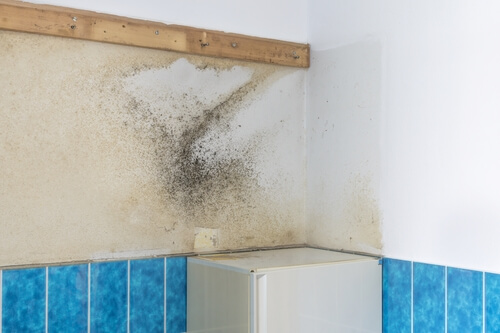
Good ventilation can also help prevent damp taking hold in your home. Condensation is a common problem in many UK homes and is caused when moist, warm air comes into contact with a colder surface such as a window or outside wall. This can lead to damp and black mould, which can be detrimental to your health and be damaging to your home. Ventilation can help by dispersing and getting rid of the damp air before condensation can occur.

You may have seen our other blogs on Quality of Internal Air and Condensation. Here, we take a closer look at the different types of ventilation systems available and give you some hints on tips in reducing condensation in your home.

The Christmas period can often be a busy time. You have presents to buy, food to prepare, parties to host and family to entertain. One thing you don’t want to be worrying about is condensation.

At Christmas time your motto may be ‘the more the merrier’. Unfortunately the more people you have in your home, the more moisture you produce and the more likely it is you will see the signs of condensation.

How can I reduce condensation?

Living Room

  • Position heaters under the windows and place curtains a necessary distance away from the glass to allow free movement of warm air.
  • Try to open windows for at least a few minutes each day to permit air changes.
  • Arrange furniture away from the surrounding walls so that air can move around the property.

Kitchen

  • Try to keep internal doors shut and keep a window open.
  • Install an extractor fan to rid moisture laden air.
  • Put lids on saucepans while you’re cooking to reduce the amount of steam.
  • If you use a vented tumble drier, make sure it’s properly vented to an open window or through an outside wall.

Bathroom

  • Following bathing or a shower, shut the door and prop the window to prevent moisture laden air from finding its way around the rest of the house.
  • Install a humastatc fan

Bedroom

  • Leave trickle vents (slotted vents in the window frames) open when rooms are occupied – even in the winter when your heating is on. These vents provide constant ventilation which removes water vapour.
  • Avoid drying laundry on a clothes airer or radiator. If you need to dry clothes indoors, open the window and close the door of the room where the clothes are drying, so that moisture can escape outside rather than circulate around your home.
  • If you can, put free-standing wardrobes and other furniture against internal walls, leaving a gap between the wall and the furniture so that air can circulate around the room.

You will see a common theme to tackle condensation in your home. That is ventilation.

What types of ventilation are there?

he most basic type of ventilation is natural ventilation. This is achieved through fixed vents, air breaks, small gaps in the building materials, or just from opening windows and doors. This does not always provide adequate ventilation, however, especially in modern, energy-efficient buildings that are becoming increasingly airtight.

Extractor fans are good for removing stale, dirty or damp air from individual rooms such as kitchens and bathrooms. To improve the indoor air quality throughout the building, however, you will need to look at whole-house ventilation.

What is a passifyer ventilation to stop condensation?

What is standard ventilation to stop condensation?

What is a whole-house ventilation to stop condensation?

As the name suggests, whole-house ventilation gently moves air throughout the whole building.

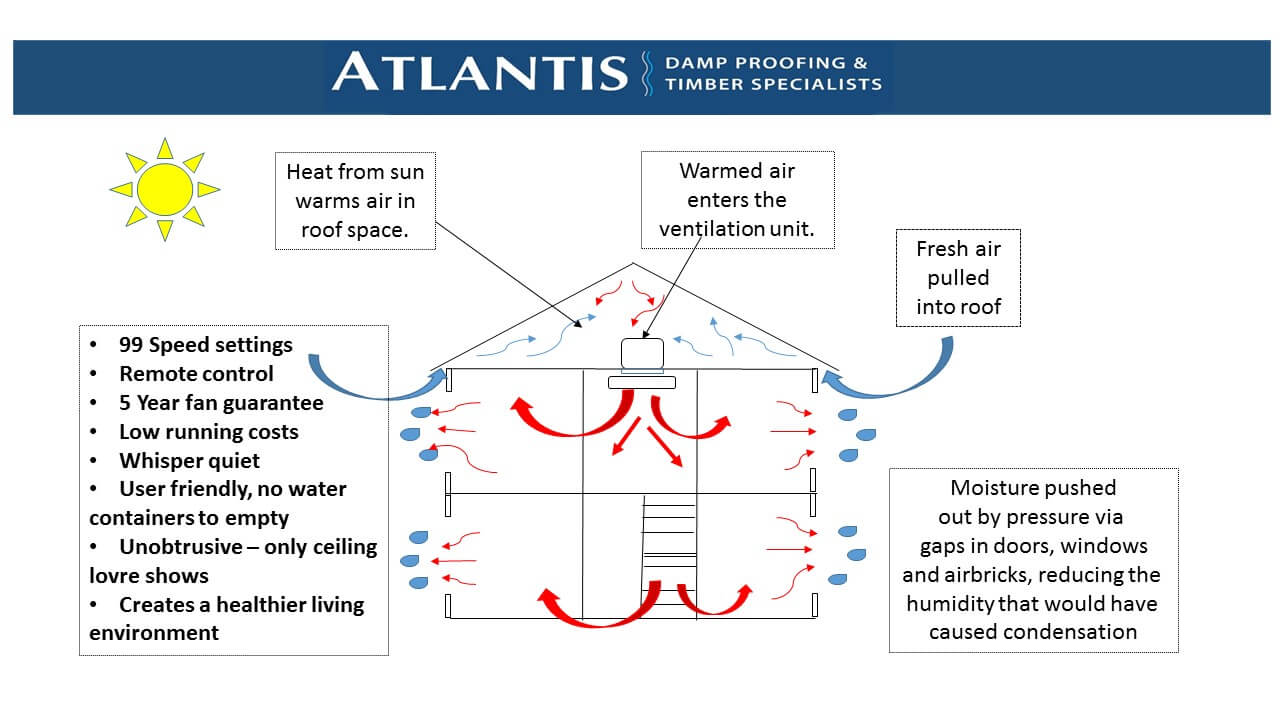
There are a number of ways we achieve this. One of these ways is through Positive Input Ventilation (PIV) which draws air from outside, usually through a unit installed in the loft or roof space. It is filtered for impurities, and the extra pressure creates a constant gentle airflow through the property. Negative pressure ventilation pumps air like extractor fans, but not as common for whole-house systems.

This can help improve your energy efficiency at the same time as it improves your indoor air quality.

Positive Input Ventilation systems are ideal for curing mould & condensation, reducing radon, and air filtration. Additionally, a single system ducted to a central area covers your whole property. There are loft and wall mounted options if you live in a house or an apartment.

What is sub-floor void ventilation

We wouldn’t be doing our job if we didn’t also tell you about potential condensation under your floor boards. We call this the sub floor void.


The post V is for Ventilation to Stop Condensation appeared first on Atlantis Damp.


source https://www.atlantisdamp.co.uk/blog/v-is-for-ventilation/

Tuesday, 20 November 2018

S is for Sub-Floor Ventilation

In this episode of The A-Z of Damp from Atlantis Damp & Timber Proofing Specialists Ltd, S is for…… Sub-Floor Ventilation

What is a sub floor void?

Why do you need to ventilate your sub-floor void?

What are the signs the my sub floor ventilation is not sufficient?

What should I do next?

If you think you may have problem in your sub floor void, simply contact us at Atlantis Damp Proofing & Timber Specialists Ltd for our expert opinion to ensure accurate diagnosis and solutions to your property problem.

The post S is for Sub-Floor Ventilation appeared first on Atlantis Damp.


source https://www.atlantisdamp.co.uk/blog/s-is-for-sub-floor-ventilation/

Monday, 15 October 2018

U is for Underground Waterproofing (Basement/Cellar Conversions)

U is for Underground Waterproofing (Cellar/Basement Conversions)

In this instalment of our A-Z of Atlantis Damp Proofing & Timber Specialists Ltd, U is for Underground Waterproofing (Cellar/Basement Conversions)

Did you know that here at Atlantis Damp Proofing we can help you make your cellar/ basement into a habitable space? We do this by using sumps and pumps to remove the moisture you will find in a sub terrain environment.

We are specialists in using sumps and pumps when converting cellars/basements. With very high house prices in many areas of Cheshire it makes sense to maximise your living space by converting a cellar/basement in your home. Therefore, some of our cellar/basement conversion include second lounges, extra bedrooms, kids play areas or office space.

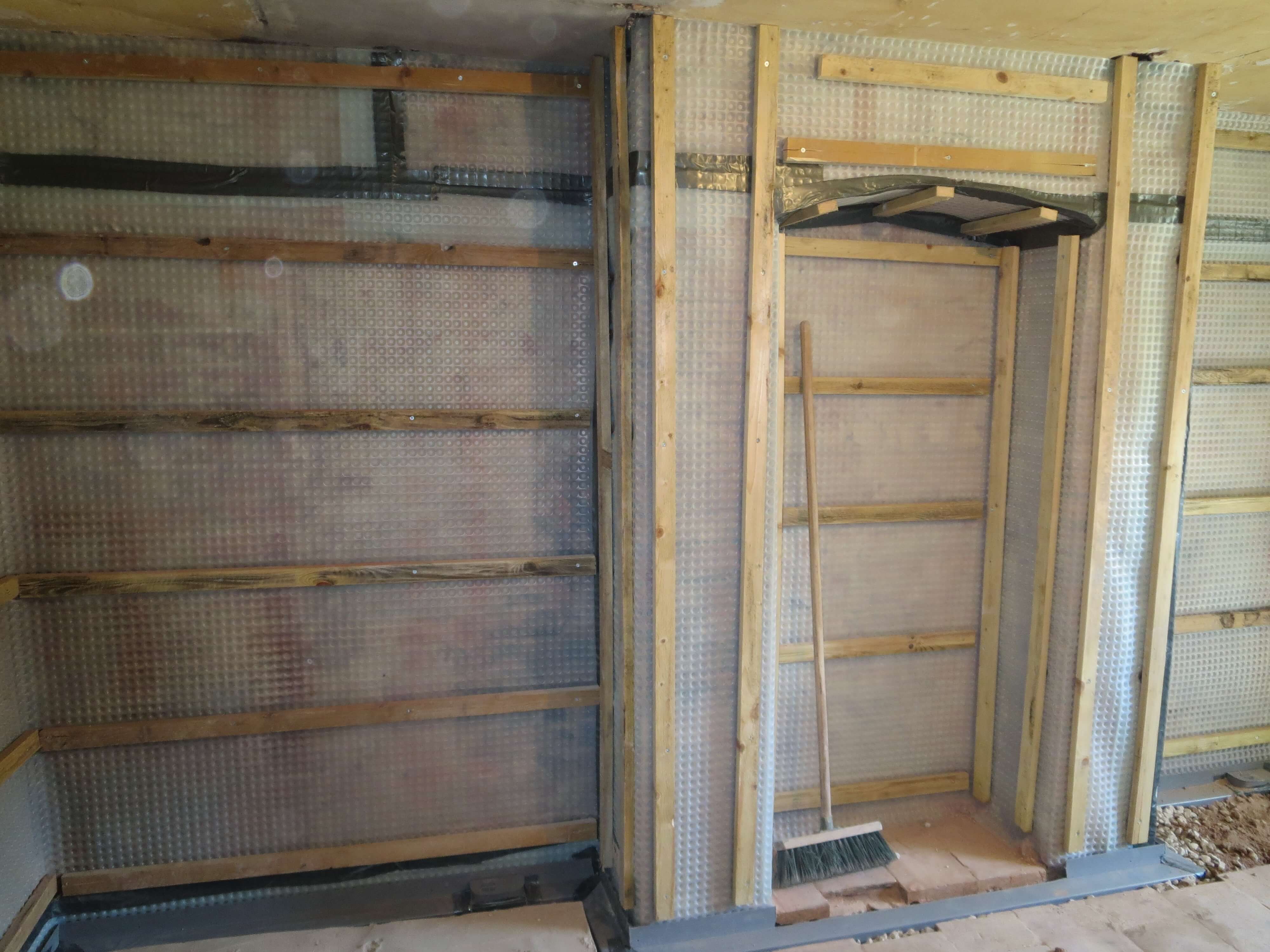
Your cellar will be set either partially or completely within the ground. Consequently, your cellar will tend to suffer from damp. Whilst your cellar may never have experienced flooding, there is a possibility that tis may occur in the future. By using a cavity drainage system, we ensure the water is effectively managed. A cavity drainage system is where we install a plastic dimpled membrane to the perimeter of the room that leads to sump and pump to discharge the water. Furthermore, the sump and pump gets the water out of your cellar. Protecting your cellar from damp is a very important part of the conversion process.

Is your basement/ cellar suitable for a conversion?

  • Does your cellar ever flood?
  • What is the access like to your cellar?
  • Does a staircase need to be installed, and if so is there adequate room for one?
  • What is the headroom in your cellar? Please bear in mind that the ceiling and the floor treatments that you will have to install will reduce the available headroom?
  • What are you planning to use the space for?
  • Is there an escape route apart from your staircase?
  • Is there any ventilation to your cellar or could any be provided?

If you can resolve all of these issues, then your cellar may well be suitable for conversion.

What are the stages of a basement conversion?

Initial meeting – Our surveyor, Jamie will arrive on the agreed date and time – to discuss the project requirements with you and carry out an initial survey.

Prepare the quote – Based on the discussion with you and the initial survey we prepare a quote and send it to you – normally via e-mail.

Follow up – If you haven’t contacted us already, we will call you to find out if you received the quote, if we included all the necessary works and if it was within your expectations. If you are happy with the quote, starting date is fixed.

Works starting date – We will call you few days in advance to confirm the starting date. Before or on the starting date we will kindly ask you for a 30% deposit – this will cover initial costs for skip, basic materials, scaffolding. Normally first job is to clear the site – removal of all finishes, demolition. All your personal items from the site should have been removed already.

As the works progress – Jamie, who manages the project will be visiting the site frequently. He will be checking the progress, discussing all arising questions, issues with you – making sure we follow your vision exactly as you specified it.

Finishing – As we get near to the completion, any snagging will be carried out. Once finished and you are happy with the result, the final third payment will be collected.

Feedback – As always, our ultimate goal is a happy customer – if there’s something that we could improve on we would kindly ask you for your feedback. We know that good references are essential for our business growth.

What next?

Contact us now if you are about to start your home transformation, now is the best time to get in touch with us:

One of our recent projects can be seen below:

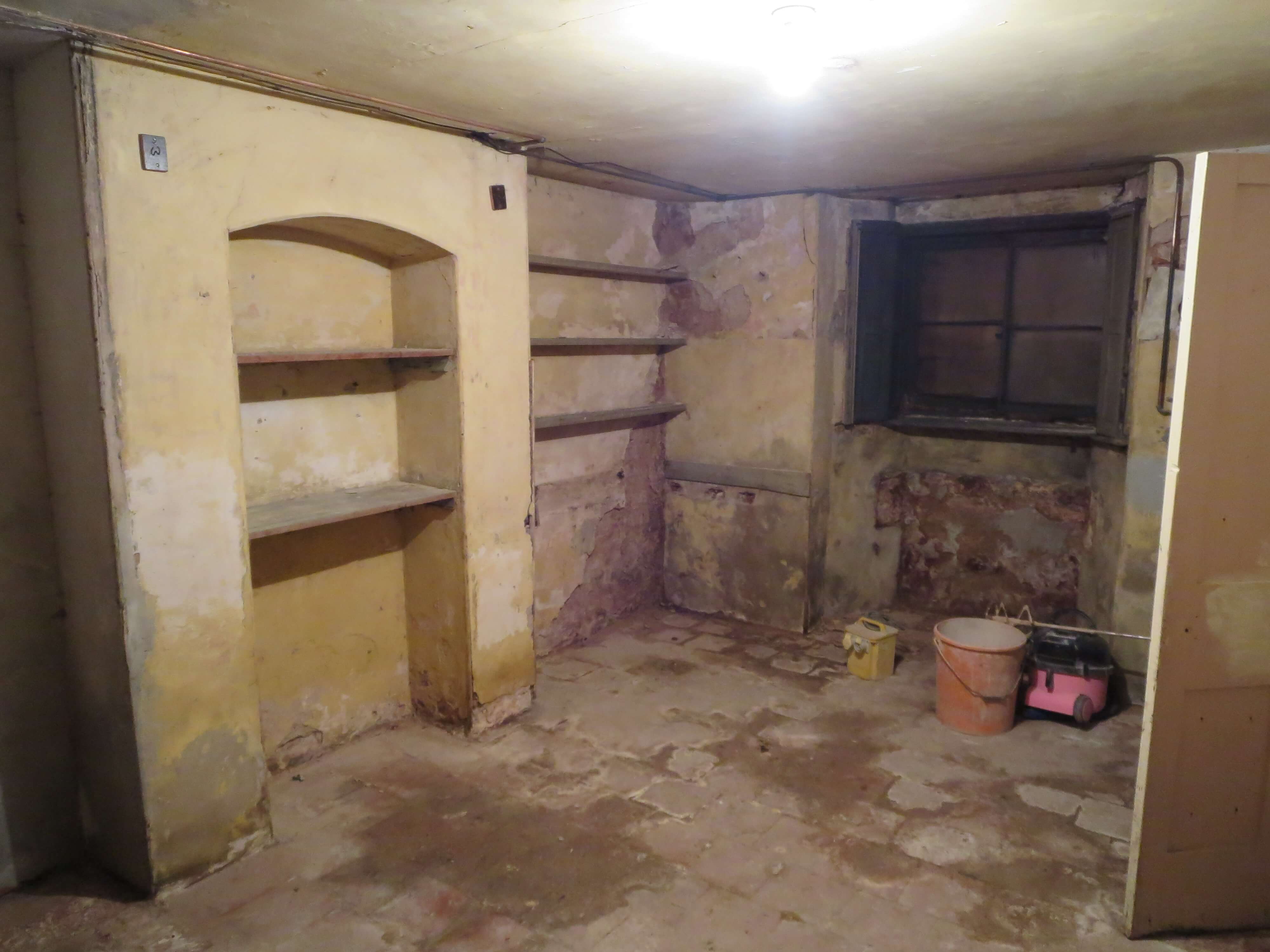
Uninhabitable space

Moisture Membranes

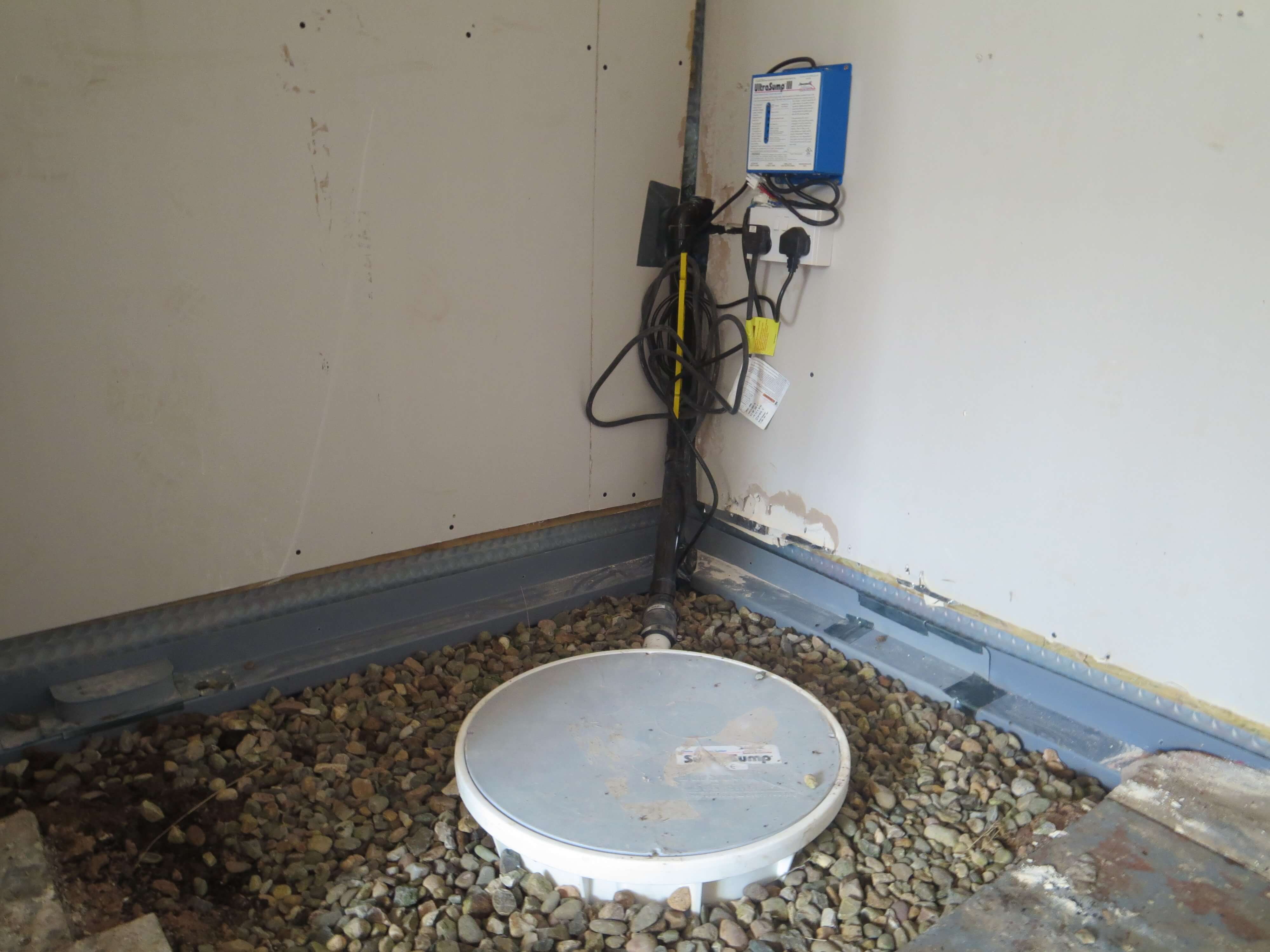
Fittiing the Sump and Pump

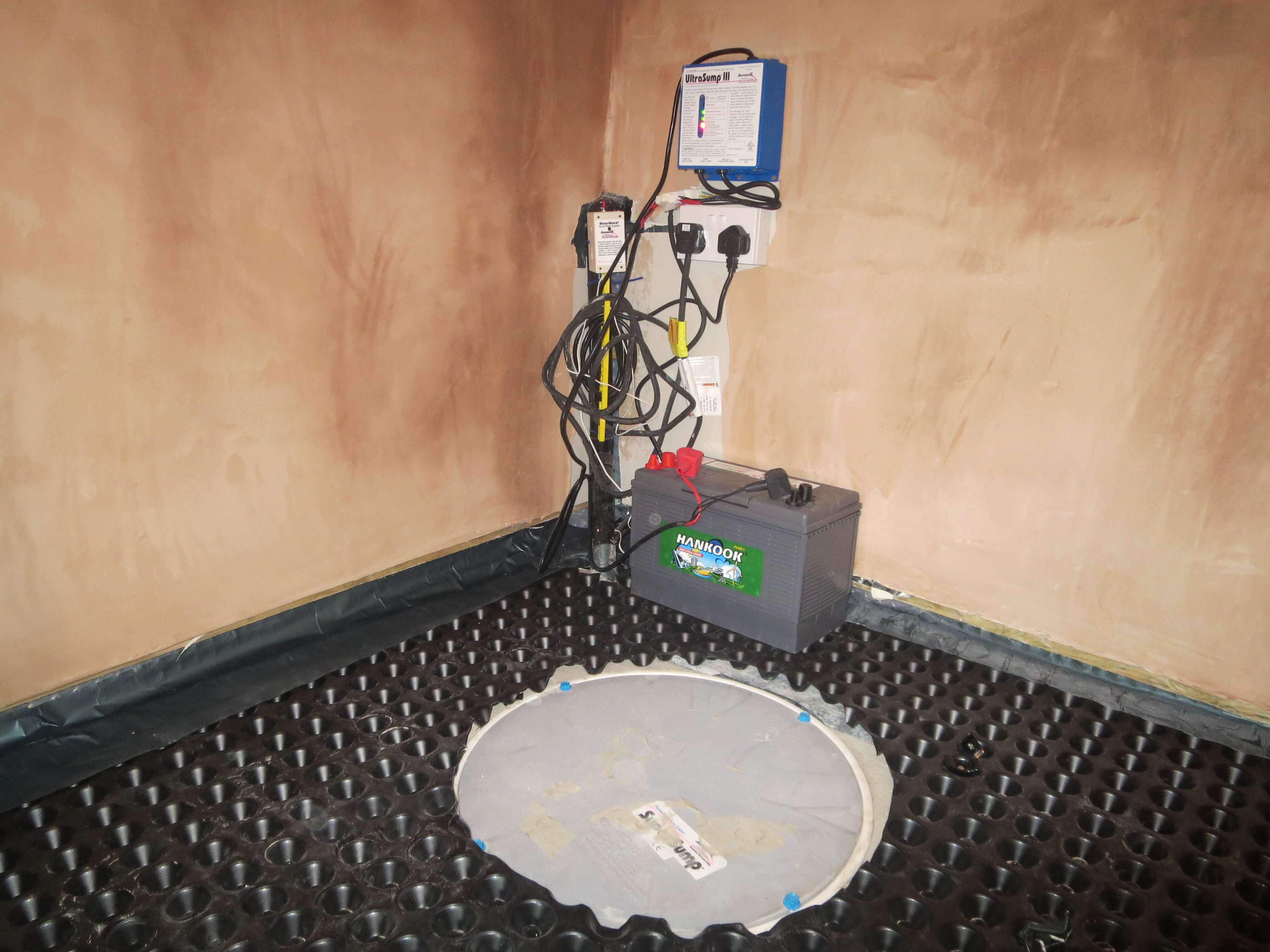
Finished pump fit

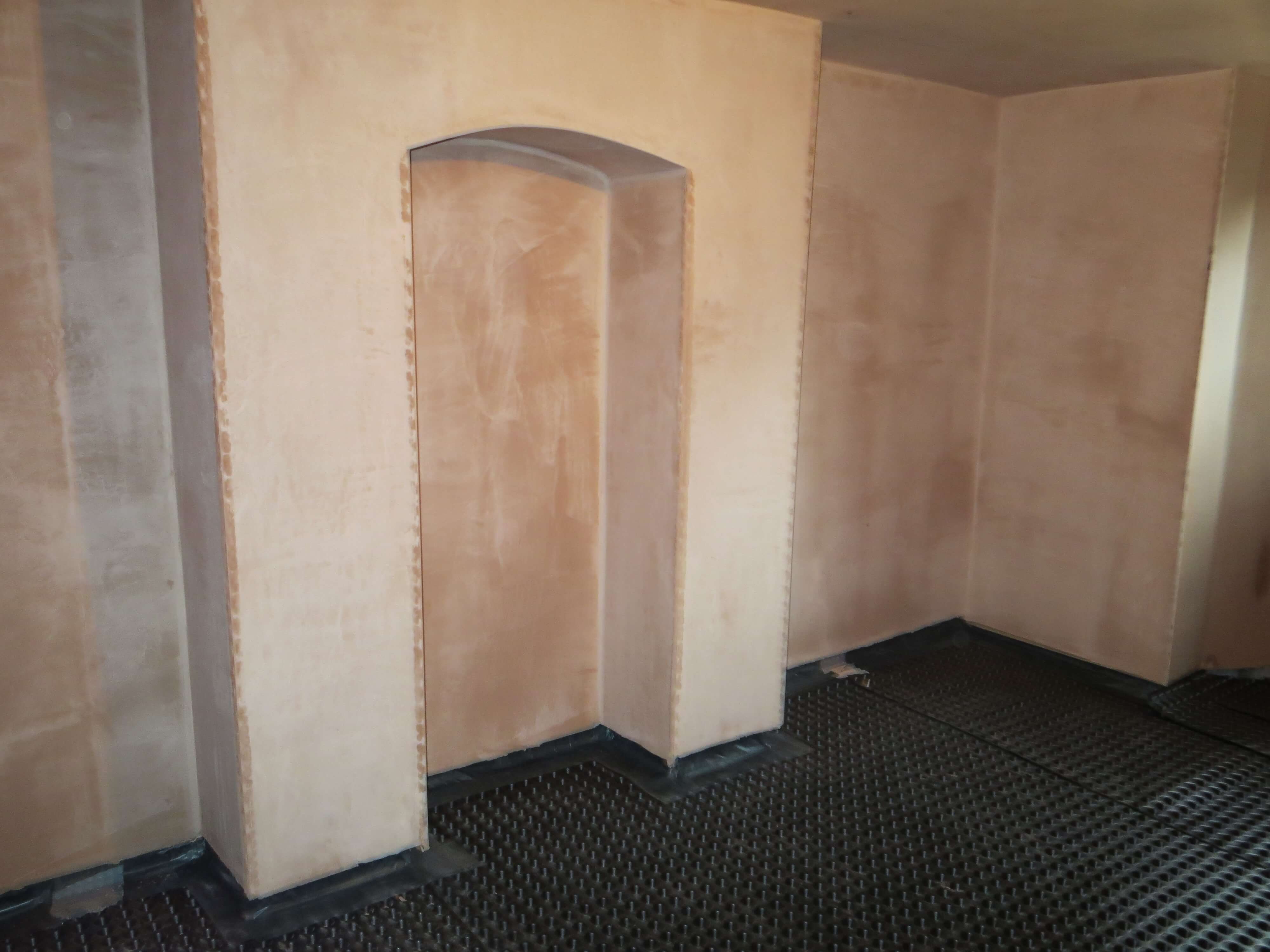
Room Boarded and Skimmed

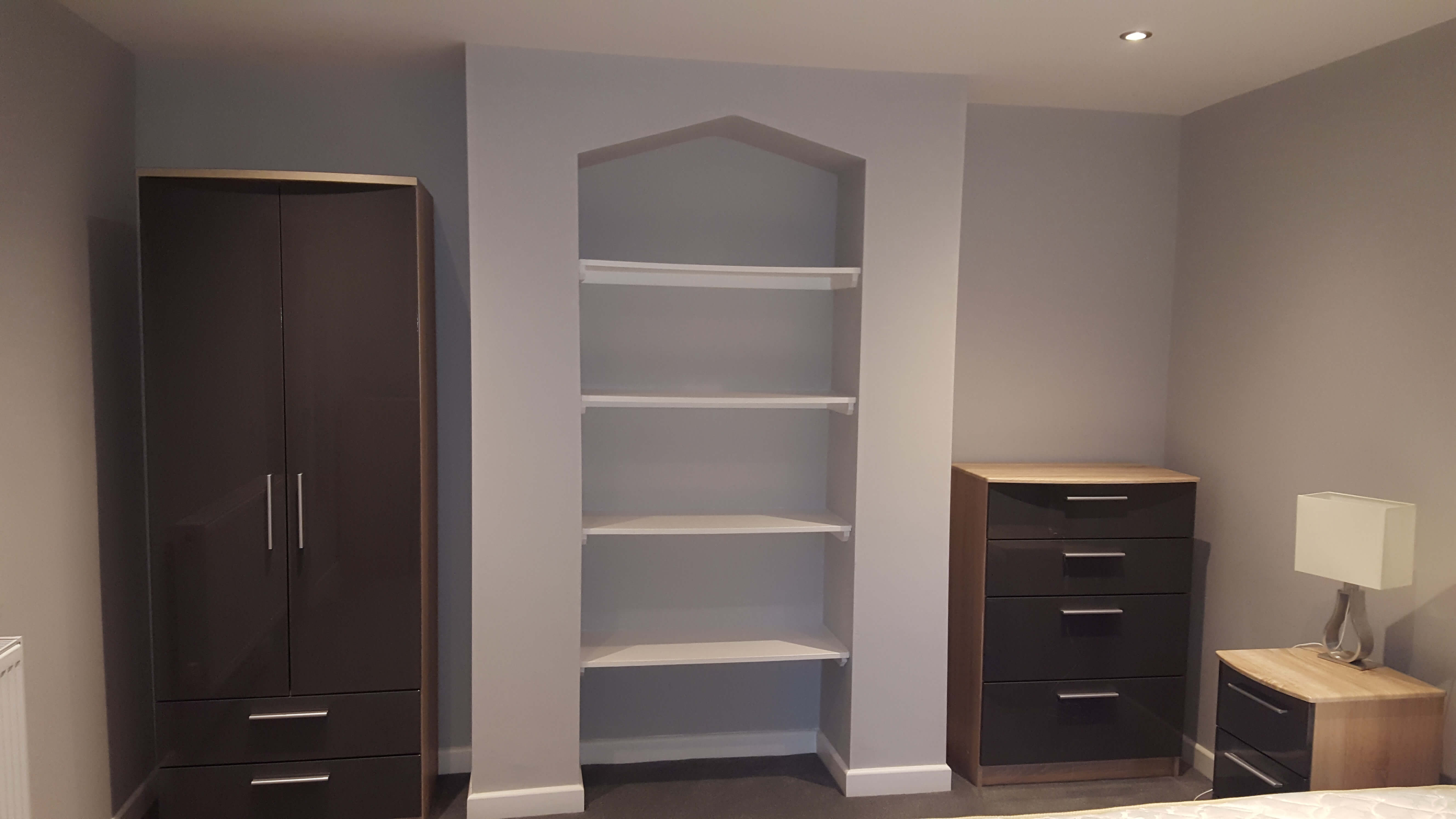
The finished bedroom!


The post U is for Underground Waterproofing (Basement/Cellar Conversions) appeared first on Atlantis Damp.


source https://www.atlantisdamp.co.uk/blog/u-is-for-underground-waterproofing-basement-cellar-conversions/

Thursday, 27 September 2018

T is for TrustMark

In this installment of A-Z of Atlantis Damp Proofing, T is for TrustMark.

Through TrustMark, Atlantis Damp Proofing & Timber Specialists Ltd pushes for greater consumer protection.

What is TrustMark?

TrustMark helps to bring customers and trades together. TrustMark is the only Government endorsed scheme for trades you need in and around the home. We have been awarded the accreditation after thorough vetting and on-site inspections to ensure we are raising industry standards.

This accreditation gives customers reassurance of quality and protection from rogue traders. TrustMark is the only ‘find a tradesperson’ scheme to cover all 3 cornerstones of quality:

·        Good Trading Practices

·       

·       

Why is TrustMark Accreditation important to us?

Jamie found his passion for being an honest, reliable and trustworthy contractor early on in his damp proofing career and set up Atlantis Damp Proofing & Timber Specialists Ltd so he had control to ensure these beliefs. They are reflected in everything we do. Jamie and Freya have always believed that anything you do should be to the best of your ability.

Ever since we started working to develop our business we have taken buckets of pride in our work. We always want to be better, learn of others and improve skills – we can never know too much!

Jamie set Atlantis Damp Proofing & Timber Specialists up in September 2009 and we became a limited company on 25th March 2013. In the early years we got most of our business through word-of-mouth and referrals. Nowadays we’re seeing an increasing number of customers contacting us after finding us on the PCA and TrustMark website. We’ve also got the TrustMark logo on business cards, the website. In addition, our van displays the logo, also acting as a mobile advert.

What Jamie says:

I believe everyone should be accountable for the work they do. It upsets me when I see the state some homes have been left in. There’s been many times when I’ve been called in to fix a job gone wrong. I try to educate customers about their legal standing and how to go about finding reputable companies so that they don’t end up in the wrong pair of hands”.

What can you expect from forms without a TrustMark accreditation?

We recently had a customer call us up because they had had some damp proofing done by another local firm which appeared to have failed. The client could not get the company to come back. The firm they had used were cheaper than us but were not PCA or Trustmark registered. The client was at the end of their tether. With Trustmark protection, they would have had a place to turn to get support if they were not happy.

We like to bring a personal touch to each job, and will go the extra mile, particular for customers who are less able. Adding an extra 10-15 minutes onto our day to help out a less able customer with some of the preparation needed before we start work is no inconvenience to me, but can make such a difference to their level of comfort.

What can you expect from us?

As the industry is undergoing changes and improvements all the time, it can be hard for us to keep on top of things. By being associated with the Property Care Association (PCA) we are kept abreast of best practice to remain a forward-thinking Company, who’s committed to long term customer satisfaction.

It means the world to us to be associated with TrustMark. Not only does it tell you that we are working to Government-endorsed standards, but it’s also a great way for us to win new business.

Contact us now to see how we can help you get to the root cause off your damp or timber issue. We are the firm you can trust.

The post T is for TrustMark appeared first on Atlantis Damp.


source https://www.atlantisdamp.co.uk/blog/t-is-for-trustmark/

Monday, 27 August 2018

S is for Sump and Pump

S is for Sump and Pump

In this instalment of our A-Z of Atlantis Damp Proofing & Timber Specialists Ltd, S is for Sump and Pump.

Did you know that here at Atlantis Damp Proofing we can help you make your cellar/ basement into a habitable space? We do this by using sumps and pumps to remove the moisture you will find in a sub terrain environment.

We are specialists in using sumps and pumps when converting cellars/basements. With very high house prices in many areas of Cheshire it makes sense to maximise your living space by converting a basement in your home. Therefore, some of our basement conversion include second lounges, extra bedrooms, kids play areas or office space.

Your cellar will be set either partially or completely within the ground. Consequently, your cellar will tend to suffer from damp. Whilst your cellar may never have experienced flooding, there is a possibility that tis may occur in the future. By using a cavity drainage system, we ensure the water is effectively managed. A cavity drainage system is where we install a plastic dimpled membrane to the perimeter of the room that leads to sump and pump to discharge the water. Furthermore, the sump and pump gets the water out of your cellar. Protecting your cellar from damp is a very important part of the conversion process.

Is your basement/ cellar suitable for a conversion?

  • Does your cellar ever flood?
  • What is the access like to your cellar?
  • Does a staircase need to be installed, and if so is there adequate room for one?
  • What is the headroom in your cellar? Please bear in mind that the ceiling and the floor treatments that you will have to install will reduce the available headroom?
  • What are you planning to use the space for?
  • Is there an escape route apart from your staircase?
  • Is there any ventilation to your cellar or could any be provided?

If you can resolve all of these issues, then your cellar may well be suitable for conversion.

What are the stages of a basement conversion?

Initial meeting – Our surveyor, Jamie will arrive on the agreed date and time – to discuss the project requirements with you and carry out an initial survey.

Prepare the quote – Based on the discussion with you and the initial survey we prepare a quote and send it to you – normally via e-mail.

Follow up – If you haven’t contacted us already, we will call you to find out if you received the quote, if we included all the necessary works and if it was within your expectations. If you are happy with the quote, starting date is fixed.

Works starting date – We will call you few days in advance to confirm the starting date. Before or on the starting date we will kindly ask you for a 30% deposit – this will cover initial costs for skip, basic materials, scaffolding. Normally first job is to clear the site – removal of all finishes, demolition. All your personal items from the site should have been removed already.

As the works progress – Jamie, who manages the project will be visiting the site frequently. He will be checking the progress, discussing all arising questions, issues with you – making sure we follow your vision exactly as you specified it.

Finishing – As we get near to the completion, any snagging will be carried out. Once finished and you are happy with the result, the final third payment will be collected.

Feedback – As always, our ultimate goal is a happy customer – if there’s something that we could improve on we would kindly ask you for your feedback. We know that good references are essential for our business growth.

What next?

Contact us now if you are about to start your home transformation, now is the best time to get in touch with us:

One of our recent projects can be seen below:

Uninhabitable space

Moisture Membranes

Fittiing the Sump and Pump

Finished pump fit

Room Boarded and Skimmed

The finished bedroom!


The post S is for Sump and Pump appeared first on Atlantis Damp.


source https://www.atlantisdamp.co.uk/blog/s-is-for-sump-and-pump/

Monday, 6 August 2018

R is for Recommendations and Referrals

In this installment of A-Z of Atlantis Damp Proofing & Timber Specialists Ltd, R is for Recommendations and referrals.

At Atlantis Damp Proofing & Timber Specialists, we are very proud of the positive reputation we have built. We are committed to continuing to build on our success for many years to come. See our Google, Facebook and Check a Trade pages to keep up to date with our latest 5 star reviews!

Here’s what some of our happy customers say:

Louise Hough says “Had a condensation problem and having seen an advert on Northwich Life twelve months previous, I contacted Atlantis Damp and spoke with Freya, who came to review the situation. They installed a loft ventilation system and it’s worked a treat – no more condensation

Matt Johnson says “Absolutely stellar service. Competitively priced and proved to be completely reliable. Plastering was superb with a great finish. Highly recommended

See all our recommendations and referrals from Facebook here https://bit.ly/2Jjhh2t

From Check a Trade

See our other Check a Trade recommendations and referrals here – https://www.checkatrade.com/AtlantisDampProofingandTimberSpecialists/

From Google:

Dave Goodwin says “I initially contacted Atlantis to get a quote for damp course and sub floor ventilation after a mortgage survey had highlighted some work which required completing and had lead to a monetary retention. Jamie replied to email query within a few minutes of initial contact and came out promptly. He was professional throughout and explained his findings to me in plain detail, something that 2 other PCA damp contractors did not do. The Atlantis survey was detailed and extremely well priced, in fact half the price of a leading competitor! After looking at the reviews and competitive prices I opted for Atlantis. On said day the lads arrived at the time agreed and quickly set about the work. They were all very friendly and polite and carefully prepared the area. Total professionals. They cracked on and had the work completed in only a few hours, which is testament to how efficient they worked. The lads kept the place clean throughout and tidied up on completion. I was extremely impressed throughout from start to finish and would definitely recommend Atlantis and most certainly use them again without hesitation.

See our other Google recommendations and referrals here https://bit.ly/2xNGhhj

The post R is for Recommendations and Referrals appeared first on www.AtlantisDamp.co.uk.


source https://www.atlantisdamp.co.uk/blog/r-is-for-recommendations-and-referrals/

Monday, 11 June 2018

Q is for Quality of Internal Air

In this instalment of A-Z of Atlantis Damp Proofing & Timber Specialists Ltd, Q is for Quality of Internal Air.

As part of our business we deal with solving condensation problems. Most of us spend a lot of our time indoors and the toxic mould associated with condensation can affect the quality of the internal air in your home. But don’t worry, we have a solution to help you solve the problem.

Why focus on Quality of Internal Air?

When we think of air quality, we immediately turn to external air pollution caused by smog and fumes from cars and manufacturing. We all know about the potential health issues associated with these pollutants.

Have you ever thought about the pollutants in your home effecting the air quality?

The dangers from indoor air pollution can also be harmful. Indoor pollution can be caused by cooking residue, paints, varnishes and fungal spores. Also, wood burning stoves, open fires and cleaning products that we all use on a daily basis

There is evidence to suggest that long term air pollution can be extremely harmful to health. Therefore, improving the quality of internal air in your home is so important. Left unchecked, poor quality of internal air can lead to breathing issues, allergies, asthma and chronic pulmonary disease. We have had numerous reports from our customers of almost immediate improvement in air quality once out PIV system is fitted.

Additionally, health benefits aside, improving your indoor air quality can also help get rid of stale smells and provide a generally more pleasant living environment.

How is air quality linked to condensation and mould?

One of the signs of poor ventilation is the appearance of condensation in your home. This moisture and dampness can lead to mould growth. This mould is unsightly and damaging to the fabric of a building. Furthermore, it has also been found to aggravate breathing and skin conditions, such as asthma and eczema. 

damp proofing explanation

How can I improve the air quality in my home?

There are things you can do to improve the quality of internal air in your home.

Tip 1

You should avoid drying washing indoors, especially on the radiators. This can cause humidity levels to rise due to excess moisture, which is what causes condensation to form. If there is no other alternative and laundry has to be dried inside, it should be done in a well ventilated room. Also, remember to keep the door closed so the moisture can not ‘travel’ around the home as readily.

Tip 2

You should leave space between furniture and the wall. Condensation and mould love tight spots in your home where there is poor circulation of air. This is where the quality of internal air is low. It is best to leave a few centimetres between your furniture and walls to enable the air to circulate. Try to ensure that your wardrobes are placed against internal walls in the bedroom. These walls will be warmer than external walls, making mould less likely to form behind them.

Tip 3

Next you can test the quality of air in your home. You can do this by purchasing an air quality monitor. This will give you real-time alerts of air pollution levels in your home.‎ If you are concerned about indoor air quality, particularly if you have children, then it’s a good idea to contact us to arrange a ventilation survey.

Tip 4

You may decide that the best way to reduce pollutants in the home and improve air quality is to invest in an effective ventilation system. A whole house ventilation system, like Positive Input Ventilation (PIV), can be housed discretely in the loft or hallway and can improve the air quality across all the rooms in the house. By introducing fresh, filtered air into a home, humidity is lowered, and condensation and mould cannot form. It also dilutes the levels of air pollutants in the home.

What is a Whole House Ventilation System (PIV) system?

As you can see, we believe that ventilating your property is key to improving the quality of Internal air. One system we have mentioned in the whole house ventilation (PIV) system. In essence this system works by taking the positive pressure from your loft space and using that to force the moisture laden air out of the property before it gets a chance to condense. Positive Input Ventilation systems are ideal for curing your mould & condensation issues and air filtration. A single system is ducted to a central area which covers your whole property. Furthermore, there are both loft and wall mounted options to suit your house or apartments.

What is Breath Easy Week?

This summer, from 18-24th June 2018, British Lung Foundation focuses on lung health and raising awareness of lung conditions. We like to do our bit to support charities and as such, we’ll donate 10% of our profit from every PIV installation we complete in June.

Although June may not be in the official ‘condensation season’, the signs you had last winter will return. Your condensation issue may even be worse this winter so we suggest you take advantage of this offer while you can. Get fresh, clean air to help your whole family breathe easier.

Want to know more?

What next? Contact us now to see how we can help you improve the quality of internal air in your home.

The post Q is for Quality of Internal Air appeared first on www.AtlantisDamp.co.uk.


source https://www.atlantisdamp.co.uk/blog/qualityofinternalair/