Friday, 1 March 2019

Y is for… Years of Expert Experience

In this episode of the A-Z of Atlantis Damp Proofing, Y is for … Years of Expert Experience

Why should you use Atlantis for all your remedial treatment needs?

When you get in contact with us, you know you’re dealing with the best. We are proud to soon to be entering our 10th year as a family-run business supporting Cheshire based clients. Our expert, extensive, experience helps us to offer you the honest advice that you deserve.

As well as offering long term guarantees, at Atlantis Damp Proofing & Timber Specialists Limited we have over 25 years’ of experience.  Additionally, we are proud to be your remedial company of choice. Our reliable team provide you with a wide range of remedial services, including:

  • Damp Proofing
  • Damp Proof Course Installation
  • Tanking
  • Condensation Control
  • Dry Rot Eradication
  • Wet Rot Eradication
  • Timber Infestation Eradication
  • Cellar Conversions
  • Pre Purchase Surveys

Our surveyors

Our lead surveyor, Jamie’s, experience of all things damp, timber and wall tie related is second to none. This means that Jamie thrives on giving you honest, expert advice when you invite him into your home. If you’d like to know more about Jamie and his passion for Atlantis, check out our blog all about him here.

As the newest member of the surveying team, Freya has been learning from the best! She’s 2.5 years into her Atlantis Damp Surveying journey and is loving the learning curve and committed to achieving excellent expert status to catch up with Jamie. Between them, Jamie and Freya provide us with expert experience. This expertise extends to all types of residential and commercial properties that you may need assistance with. Atlantis is a Cheshire-based company and covers Northwich, Crewe, Nantwich, Chester, Warrington, Runcorn and surrounding areas.

What our experience means to you

If you require an inspection on a property you are looking to buy, own, manage or let to tenants, our specialist experienced, expert surveyors are available to carry out an inspection and provide a report and quotation. Furthermore, we can arrange for one of our surveyors to meet you at the property if you are the owner. Alternatively, if you are looking to purchase or let a property we can arrange the appointment with your estate agent or tenant on your behalf. We will always try to use our expert experience to go the extra mile for you.

With this expert experience and commitment to excellence, allows us to provide you with an efficient, professional, reliable, expert  experience and customer service and we offer long term guarantees on all our work. Because of our excellent experience, we know we’ll offer the right solution for your home or business.

What to do now.

If you’d like someone with expert experience to help you out now, contact us now or call 0800 098 8277 to arrange a visit to your home.

The post Y is for… Years of Expert Experience appeared first on Atlantis Damp.


source https://www.atlantisdamp.co.uk/blog/y-is-for-years-of-expert-experience/

Monday, 10 December 2018

W is for Wall Tie Failure and Replacement

W is for Wall Tie Failure and Replacement

In this episode of our A-Z of Atlantis Damp & Timber Proofing Specialists Ltd, W is for…… Wall Tie Failure and Replacement

What is a wall tie?

If your home was built between 1920 and 1981, it’s probably of cavity wall construction. Therefore, your home could be prone to wall tie corrosion and failure. This is approximately 10 million homes in the UK!

Typically, in your home, there is an outer leaf of 100mm thick brickwork, a 50mm wide cavity, and an inner leaf of 100mm thick blockwork. The outer and inner leaves of your property are tied together with wall ties. Your wall ties are usually 900mm apart horizontally and 450mm vertically. Additionally, they are usually galvanised steel. You should know that older ties often had a relatively thin layer of galvanising, not adequate to stop the steel corroding.

A wall tie is a steel bar, strap or twisted wire which is built into your properties cavity wall to hold the masonry together; usually made of mild steel. Wall ties are absolutely crucial to the stability of your external walls.

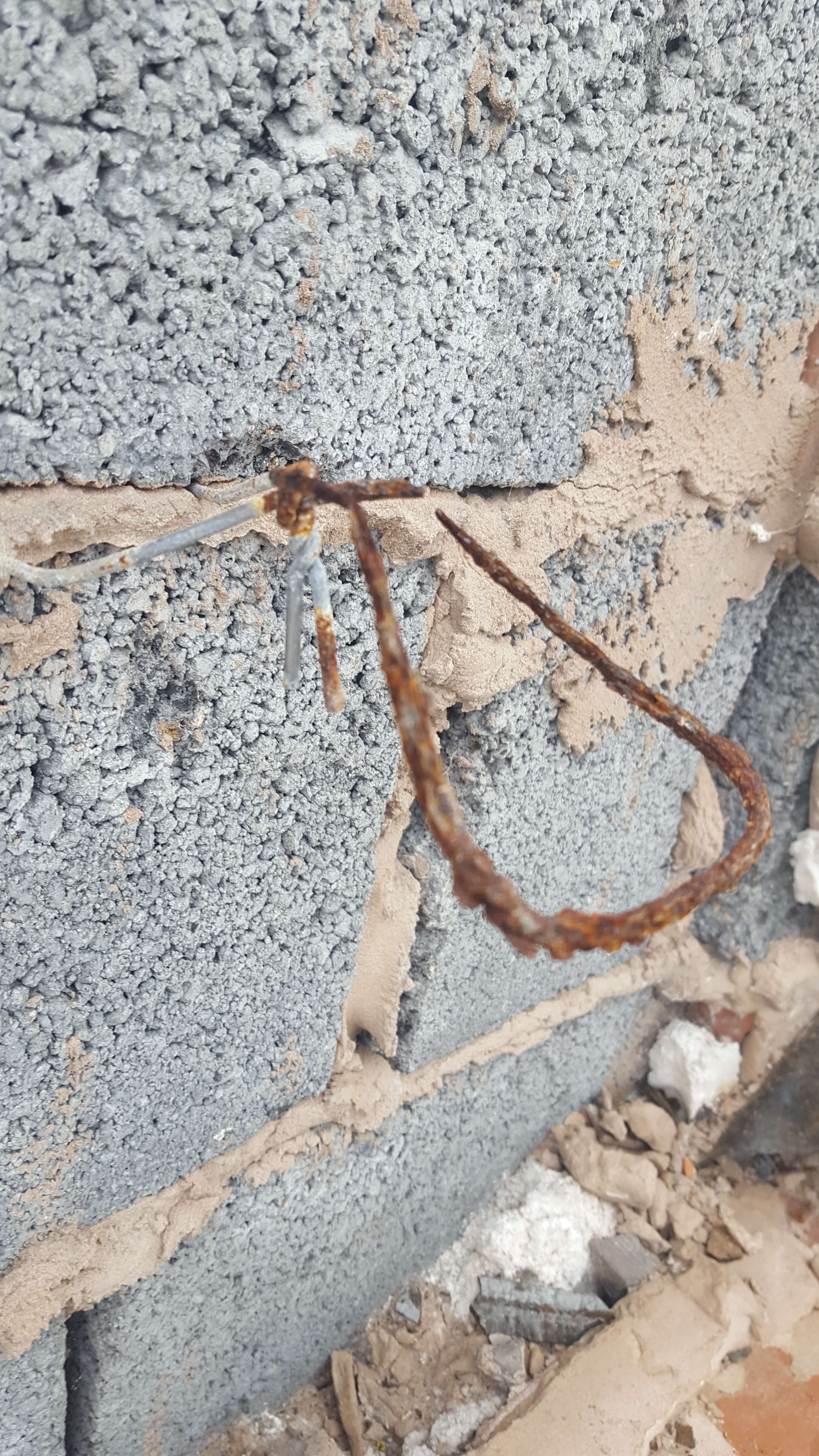
If you have older ties, these were made of a thick mild steel bar formed into the shape of a fishtail. If your wall ties are more modern, they are made of a twisted wire and form the shape of a butterfly.

Why do Wall Ties fail?

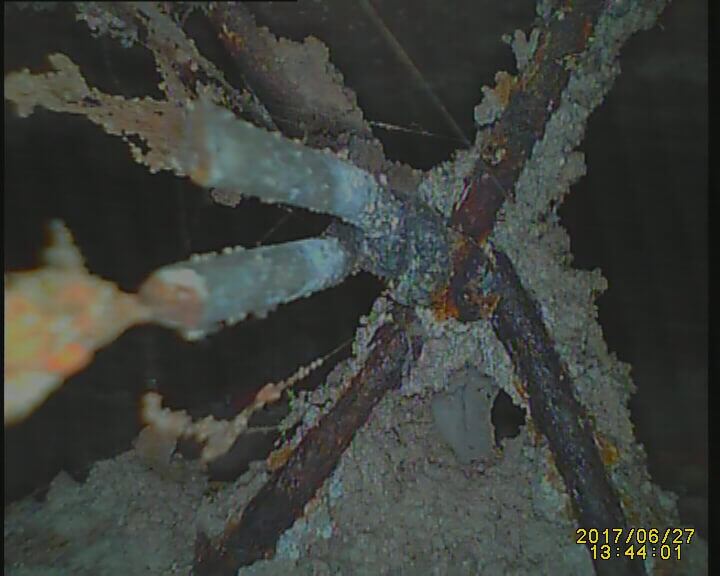
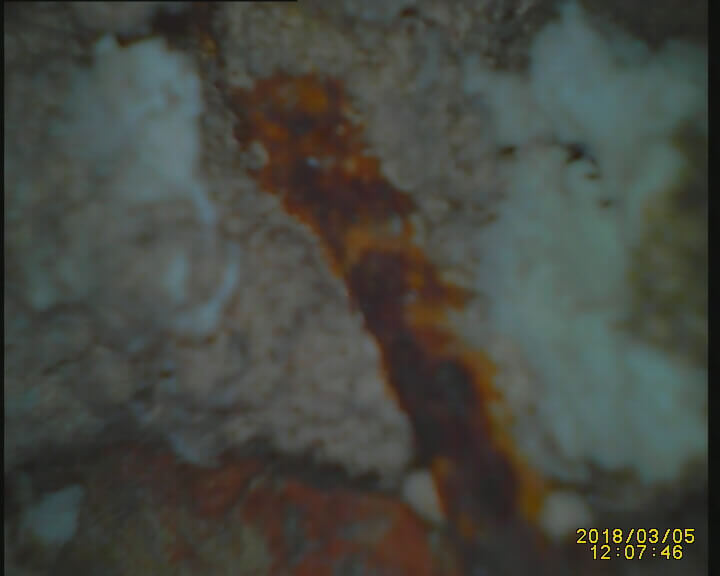
If the steel of your wall ties is exposed to air and oxygen, the all-too-familiar rusting cycle begins.

This rusting of your wall ties can lead corrosion and failure of the wall tie in your property.  If this occurs, there is a distinct risk of your outer leaf collapsing, especially under high winds which cause suction on the face of the wall.

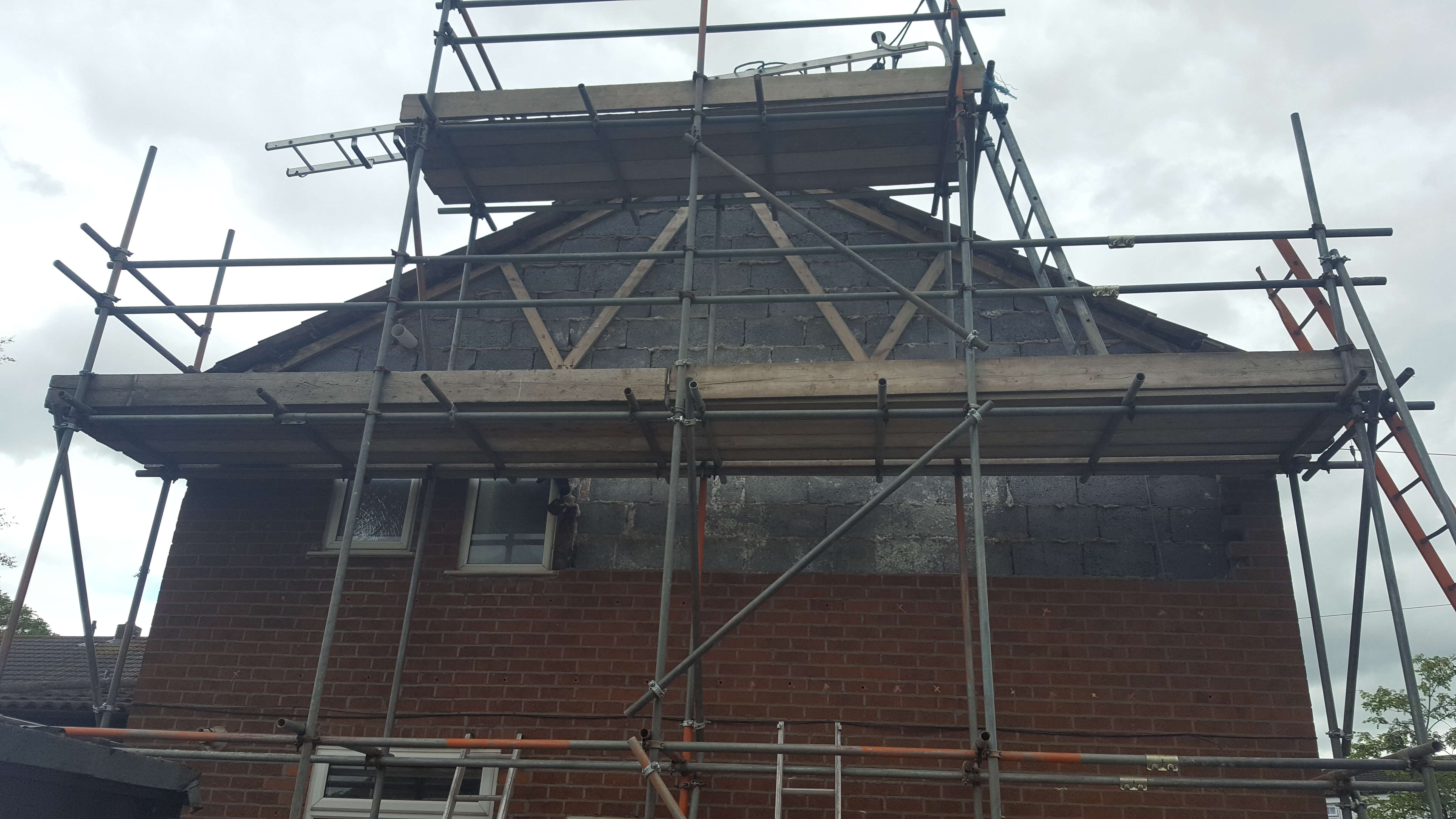
Another issue is the increased volume of the steel, causes the mortar on the walls of your home to split and lift. Developing rust occupies a greater volume than the original steel. Therefore the expansion of the tie in the bed joint forces it to crack. Cracks running along the bed joints of your property, every 450mm up the wall. Therefore, they are a definite indication of wall tie corrosion in your home. This is where you may see bulging in the wall.

What are the signs of Wall Tie Failure?

  • Horizontal cracking may be evident on your walls– at regular intervals in your external mortar joints
  • Outward bulging of the wall may be seen– joints widen causing the wall to deflect outwards, often around your window frames
  • You may see the lifting of roof edges– at your gables, the growth of brickwork can cause a noticeable ‘pagoda’ effect
  • You might notice internal cracks– vertical cracks may be found at internal wall junctions in your home & horizontal cracks appear at internal wall and ceiling joints
  • Your render coats may start to crack

What causes wall ties to corrode?

  • Inadequate protection– prior to 1945 wall ties were not produced to any particular standard, hence standards may be poor.
  • Substandard galvanisation– the British Standard for the weight of galvanising was reduced between 1964-1981, therefore standards were reduced
  • Chemical action – corrosive black ash mortar may have been used if your property was built after 1938
  • Geographical location of the property– Your property may be along the coast, therefore susceptible to driving rain and salt-laden atmospheres are more at risk.

What if I think I have insufficient wall ties?

Do you think that your property may be affected by insufficient wall ties? The first step is to book a survey with our trained professional to determine the extent of the problem. We will establish the position of existing wall ties is plotted using a metal detector and then an endoscope is used to examine their condition.

We may need to remove bricks for the physical examination of sample ties.

Jamie, our fully qualified Wall Tie surveyor, is trained to a high standard and can carry out a thorough wall tie survey for a small survey fee. If our wall tie survey indicates the need for remedial work, then we will provide a detailed schedule of the proposed repair along with a quotation.

We promise to be competitively priced whilst still offering high-quality repairs that you can trust. All our quotations are issued on a fixed price basis and our reputation is your assurance of quality and fair practice.

What can you expect from our survey?

Investigation – We collection of information about type and condition of masonry, cavity width, type and condition of existing wall ties etc…

  • Isolation/removal of existing wall ties depending on condition.
  • Specification – choice of remedial wall tie type – density and layout of remedial wall ties.
  • Installation of replacement wall ties
  • Quality control – visual checks, torque testing, etc…

 The installation of replacement wall ties:

At Atlantis Damp, we have fully trained experienced technicians who will work with Jamie to carry out any required remedial work.

We can provide a range of alternative wall tie designs are available: resin, drive tie or cementitious. Depending on the type and condition of your masonry. In most c,ases your existing ties are isolated to prevent further corrosion.

Formed in austenitic stainless steel, your replacement ties are available in differing lengths to suit cavity widths up to 110mm. All designs incorporate a drip detail to prevent transmission of water across the cavity.

Atlantis are full members of The Wall Tie Installers Federation and the Property Care Association and offer full independent insurance backing (10 Years) in addition to our own long-term Guarantees.

Contact us now on 0800 098 8277 and we will survey your property. If necessary, we will complete remedial treatments such as isolate corroded wall ties and install new stainless steel ties. This will protect your walls for many years to come preventing future structural defects and saving you thousands of pounds.

The post W is for Wall Tie Failure and Replacement appeared first on Atlantis Damp.


source https://www.atlantisdamp.co.uk/blog/w-is-for-wall-tie-failure-and-replacement/

Thursday, 6 December 2018

S is for Sub-floor ventilation and condensation

In this episode of the A-Z of Damp from Atlantis Damp & Timber Proofing Specialists Ltd, S is for…… Sub-floor ventilation and condensation.
Sub-floor ventilation and condensation is one of those things you may see referred to in a Home Buyer surveyors report. It is an issue that generally remains unseen until a problem with the floor arises.

What is a sub-floor void?

The area under a suspended floor, called a sub-floor void is the space beneath a ground floor, suspended timber floor. The actual size of this void – or space – can vary significantly from virtually nothing, where floor joists are in contact the substrate beneath, to something which you could crawl under. The norm for this sort of space is somewhere in-between and is often found to be around 300-400mm deep. That’s from the undersides of the floor boards to the substrate beneath.

Why do you need to ventilate your sub-floor void?

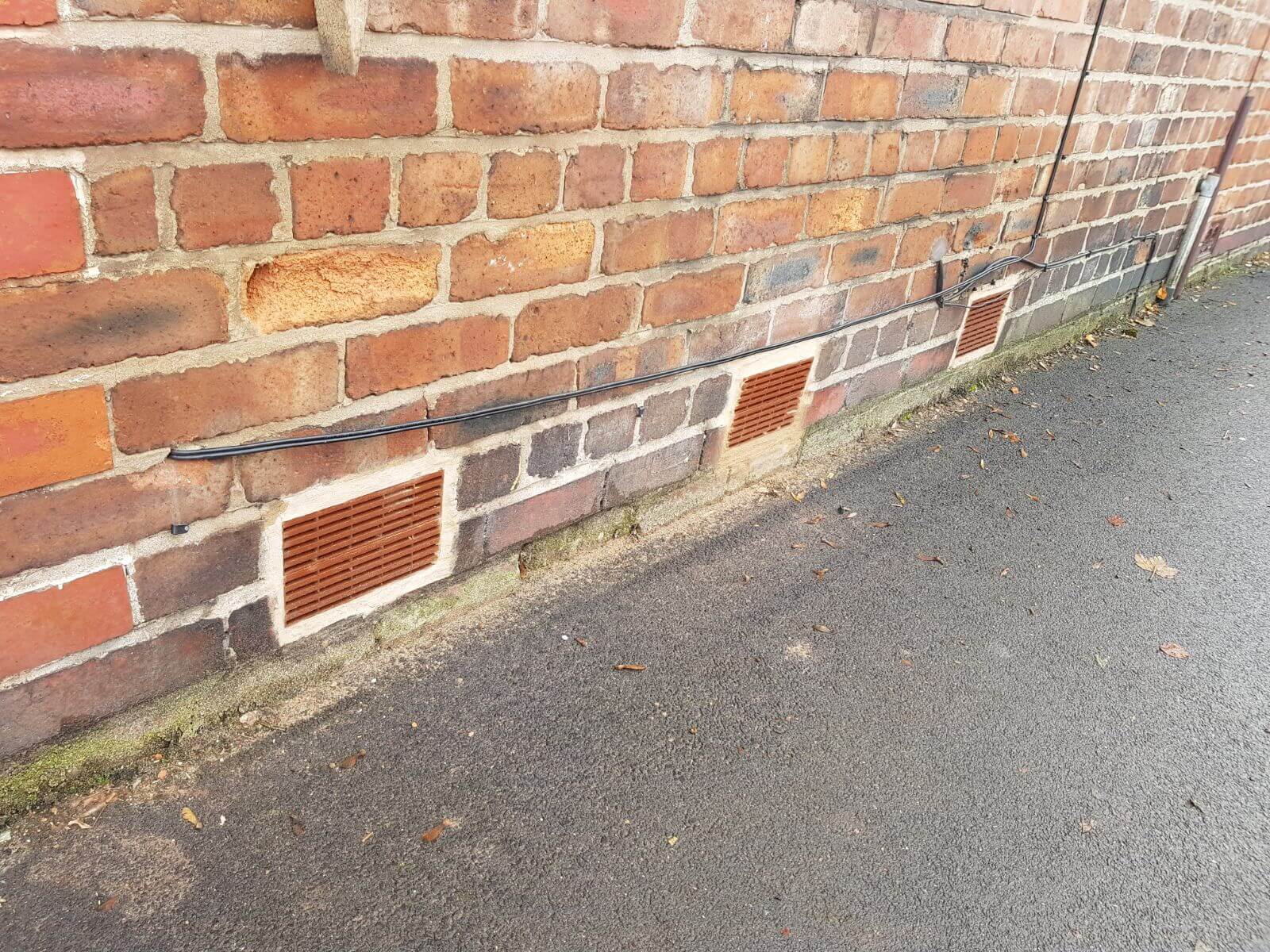
Some years ago the building regs effectively doubled the amount of sub-floor ventilation you require. The reason for air bricks always being needed on as many sides of your property as possible is that air doesn’t blow in through the air bricks. What happens is that on the downwind side of your house there is a low-pressure zone, into which air is sucked from under the floor via the air bricks on that side. Your sub-floor void is then replenished with air pulled in from all other available directions.

Therefore, to allow for variations in wind direction, and to ensure good circulation into all corners, air bricks should ideally exist on as many sides as possible. The more sub-floor ventilation, the better.

It is also important to remember that in the era when most houses with suspended wooden floors were built, there were more directions of ventilation to the sub-floor void. Before T&G (tongue and groove) floor boarding, you had draughty gaps between boards. Before double glazing became the norm, your window frames were draughty. Prior to central heating catching on, there were open fireplaces creating up-draughts and pulling air through the house. And remember, lots of you didn’t fully carpet ground floor rooms. The loss of so much incidental ventilation meant we had to increase the air bricks to compensate. If we don’t, decay of the floor timbers would quicken.

Why aren’t the vents I’ve already got sufficient?

The holes in a conventional terracotta air bricks that typically provide your sub floor ventilation are inefficient. They are very easily clogged by insects and debris, and we bet that not many of you think of clearing them out. We often recommend that these traditional terracotta vents are replaced with ones that offer a much higher airflow (eg louvred ones) to improve the sub floor ventilation. This is important to ensure your timber joists, wall-plates and floor boards are kept suitably dry (below 16-18% mc) they are generally not at risk of timber decay.

What are the signs that my sub floor ventilation is not sufficient?

Often it is only when a surveyor identifies abnormal moisture levels in the upper side of your timber floor that you know you’ve got a problem. If you’re feeling movement in your floor boards, it’s likely that the decay has already started. It may be that joists are imbedded in a damp wall. It may be that the condensation levels in the sub floor void have allowed the joists to start to rot.


What are the contributing factors to be aware of that lead to rotten floor boards?

• flower beds being built up against external walls,
• paths around the house being re-laid over old paths etc.
• blocked sub floor ventilation
• leaking plumbing pipes within the sub-floor void• high water table

All these effects the sub-floor ventilation and which can lead to excess water and humidity within the sub-floor void.

What should I do next?

That’s the easy one! If you think you may have problem with your sub-floor ventilation, simply  at Atlantis Damp Proofing & Timber Specialists Ltd for our expert opinion to ensure accurate diagnosis and solutions to your property problem.

The post S is for Sub-floor ventilation and condensation appeared first on Atlantis Damp.


source https://www.atlantisdamp.co.uk/blog/s-sub-floor-ventilation-condensation/

Friday, 30 November 2018

V is for Ventilation to Stop Condensation

In this instalment of A-Z of Atlantis Damp Proofing… V is for ventilation to stop condensation.

Ventilation simply refers to the movement of air between the inside and outside of a building. It is essential for indoor air quality as you need a movement of air to dilute and disperse the pollutants and contaminants that otherwise build up inside every home.

Good ventilation can also help prevent damp taking hold in your home. Condensation is a common problem in many UK homes and is caused when moist, warm air comes into contact with a colder surface such as a window or outside wall. This can lead to damp and black mould, which can be detrimental to your health and be damaging to your home. Ventilation can help by dispersing and getting rid of the damp air before condensation can occur.

You may have seen our other blogs on Quality of Internal Air and Condensation. Here, we take a closer look at the different types of ventilation systems available and give you some hints on tips in reducing condensation in your home.

The Christmas period can often be a busy time. You have presents to buy, food to prepare, parties to host and family to entertain. One thing you don’t want to be worrying about is condensation.

At Christmas time your motto may be ‘the more the merrier’. Unfortunately the more people you have in your home, the more moisture you produce and the more likely it is you will see the signs of condensation.

How can I reduce condensation?

Living Room

  • Position heaters under the windows and place curtains a necessary distance away from the glass to allow free movement of warm air.
  • Try to open windows for at least a few minutes each day to permit air changes.
  • Arrange furniture away from the surrounding walls so that air can move around the property.

Kitchen

  • Try to keep internal doors shut and keep a window open.
  • Install an extractor fan to rid moisture laden air.
  • Put lids on saucepans while you’re cooking to reduce the amount of steam.
  • If you use a vented tumble drier, make sure it’s properly vented to an open window or through an outside wall.

Bathroom

  • Following bathing or a shower, shut the door and prop the window to prevent moisture laden air from finding its way around the rest of the house.
  • Install a humastatc fan

Bedroom

  • Leave trickle vents (slotted vents in the window frames) open when rooms are occupied – even in the winter when your heating is on. These vents provide constant ventilation which removes water vapour.
  • Avoid drying laundry on a clothes airer or radiator. If you need to dry clothes indoors, open the window and close the door of the room where the clothes are drying, so that moisture can escape outside rather than circulate around your home.
  • If you can, put free-standing wardrobes and other furniture against internal walls, leaving a gap between the wall and the furniture so that air can circulate around the room.

You will see a common theme to tackle condensation in your home. That is ventilation.

What types of ventilation are there?

he most basic type of ventilation is natural ventilation. This is achieved through fixed vents, air breaks, small gaps in the building materials, or just from opening windows and doors. This does not always provide adequate ventilation, however, especially in modern, energy-efficient buildings that are becoming increasingly airtight.

Extractor fans are good for removing stale, dirty or damp air from individual rooms such as kitchens and bathrooms. To improve the indoor air quality throughout the building, however, you will need to look at whole-house ventilation.

What is a passifyer ventilation to stop condensation?

What is standard ventilation to stop condensation?

What is a whole-house ventilation to stop condensation?

As the name suggests, whole-house ventilation gently moves air throughout the whole building.

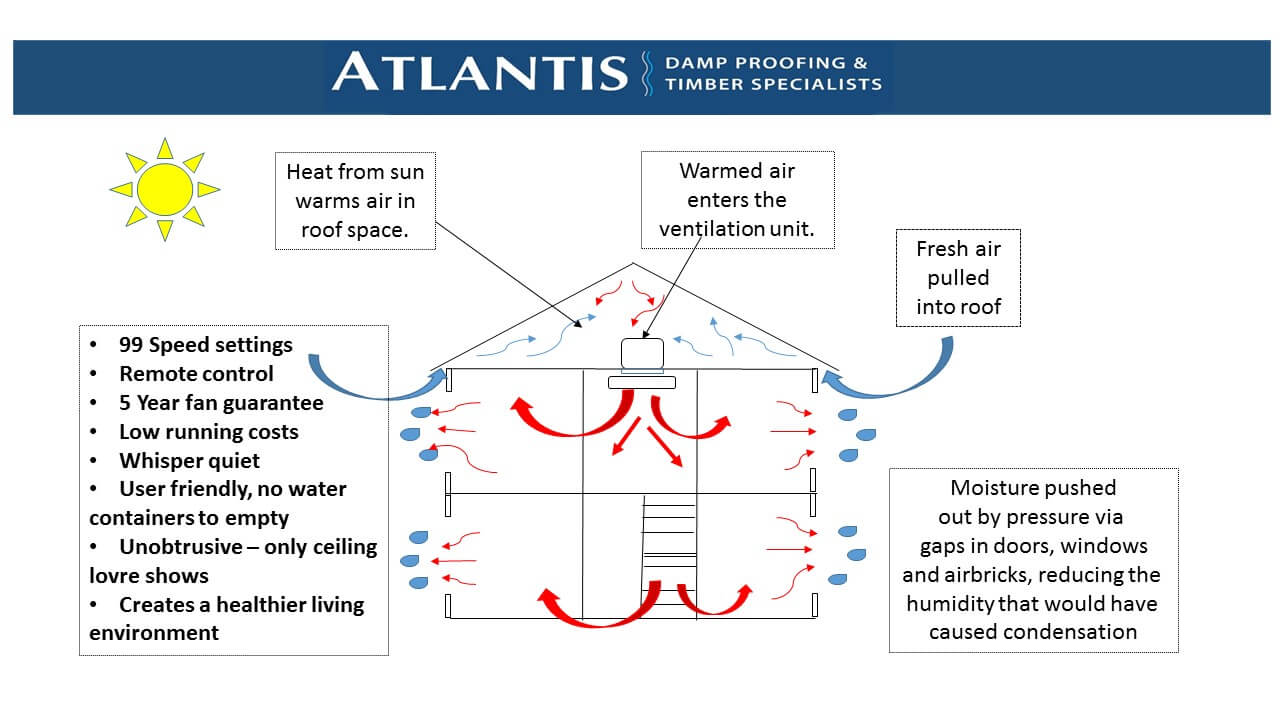
There are a number of ways we achieve this. One of these ways is through Positive Input Ventilation (PIV) which draws air from outside, usually through a unit installed in the loft or roof space. It is filtered for impurities, and the extra pressure creates a constant gentle airflow through the property. Negative pressure ventilation pumps air like extractor fans, but not as common for whole-house systems.

This can help improve your energy efficiency at the same time as it improves your indoor air quality.

Positive Input Ventilation systems are ideal for curing mould & condensation, reducing radon, and air filtration. Additionally, a single system ducted to a central area covers your whole property. There are loft and wall mounted options if you live in a house or an apartment.

What is sub-floor void ventilation

We wouldn’t be doing our job if we didn’t also tell you about potential condensation under your floor boards. We call this the sub floor void.


The post V is for Ventilation to Stop Condensation appeared first on Atlantis Damp.


source https://www.atlantisdamp.co.uk/blog/v-is-for-ventilation/

Tuesday, 20 November 2018

S is for Sub-Floor Ventilation

In this episode of The A-Z of Damp from Atlantis Damp & Timber Proofing Specialists Ltd, S is for…… Sub-Floor Ventilation

What is a sub floor void?

Why do you need to ventilate your sub-floor void?

What are the signs the my sub floor ventilation is not sufficient?

What should I do next?

If you think you may have problem in your sub floor void, simply contact us at Atlantis Damp Proofing & Timber Specialists Ltd for our expert opinion to ensure accurate diagnosis and solutions to your property problem.

The post S is for Sub-Floor Ventilation appeared first on Atlantis Damp.


source https://www.atlantisdamp.co.uk/blog/s-is-for-sub-floor-ventilation/

Monday, 15 October 2018

U is for Underground Waterproofing (Basement/Cellar Conversions)

U is for Underground Waterproofing (Cellar/Basement Conversions)

In this instalment of our A-Z of Atlantis Damp Proofing & Timber Specialists Ltd, U is for Underground Waterproofing (Cellar/Basement Conversions)

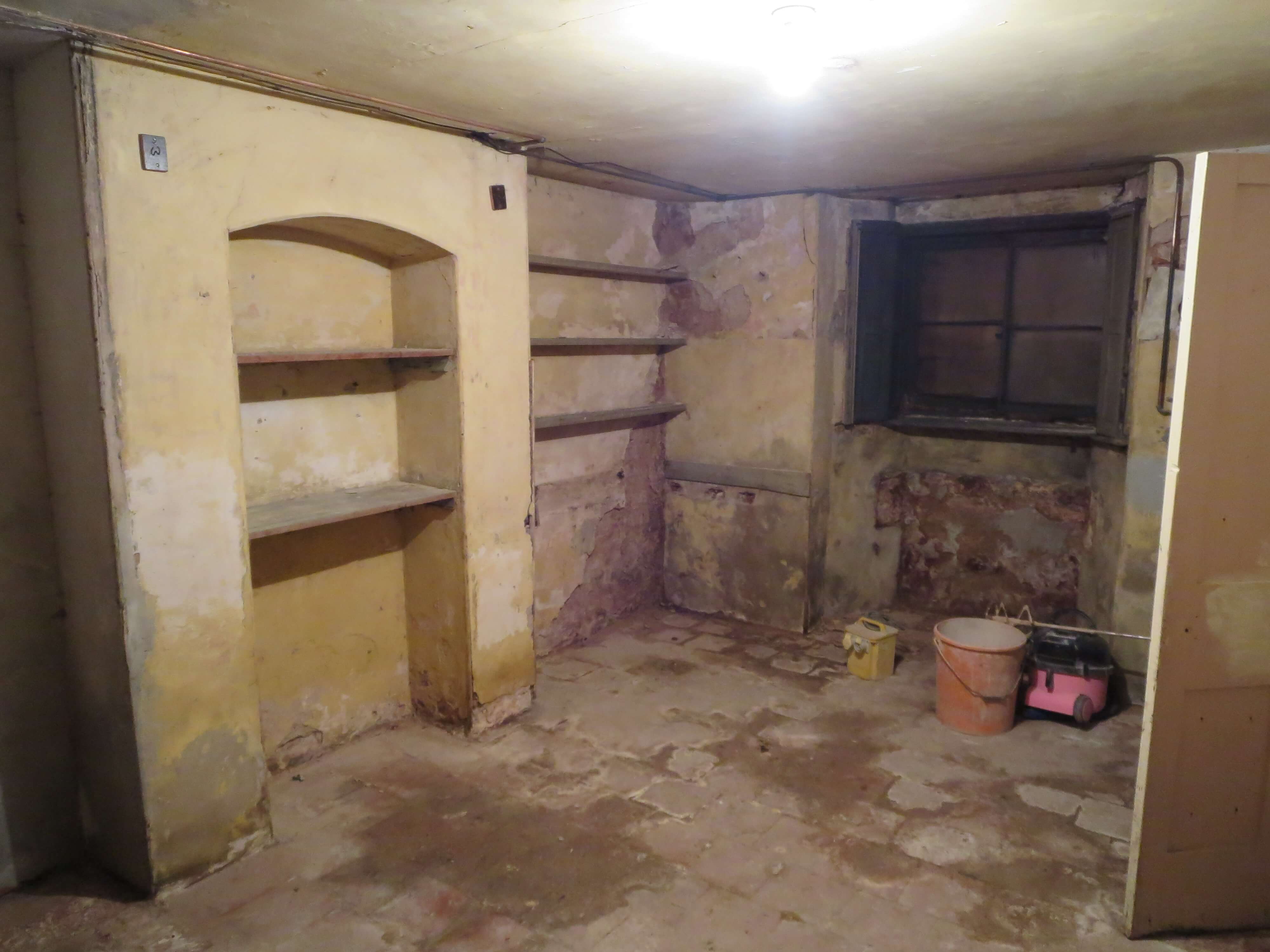
Did you know that here at Atlantis Damp Proofing we can help you make your cellar/ basement into a habitable space? We do this by using sumps and pumps to remove the moisture you will find in a sub terrain environment.

We are specialists in using sumps and pumps when converting cellars/basements. With very high house prices in many areas of Cheshire it makes sense to maximise your living space by converting a cellar/basement in your home. Therefore, some of our cellar/basement conversion include second lounges, extra bedrooms, kids play areas or office space.

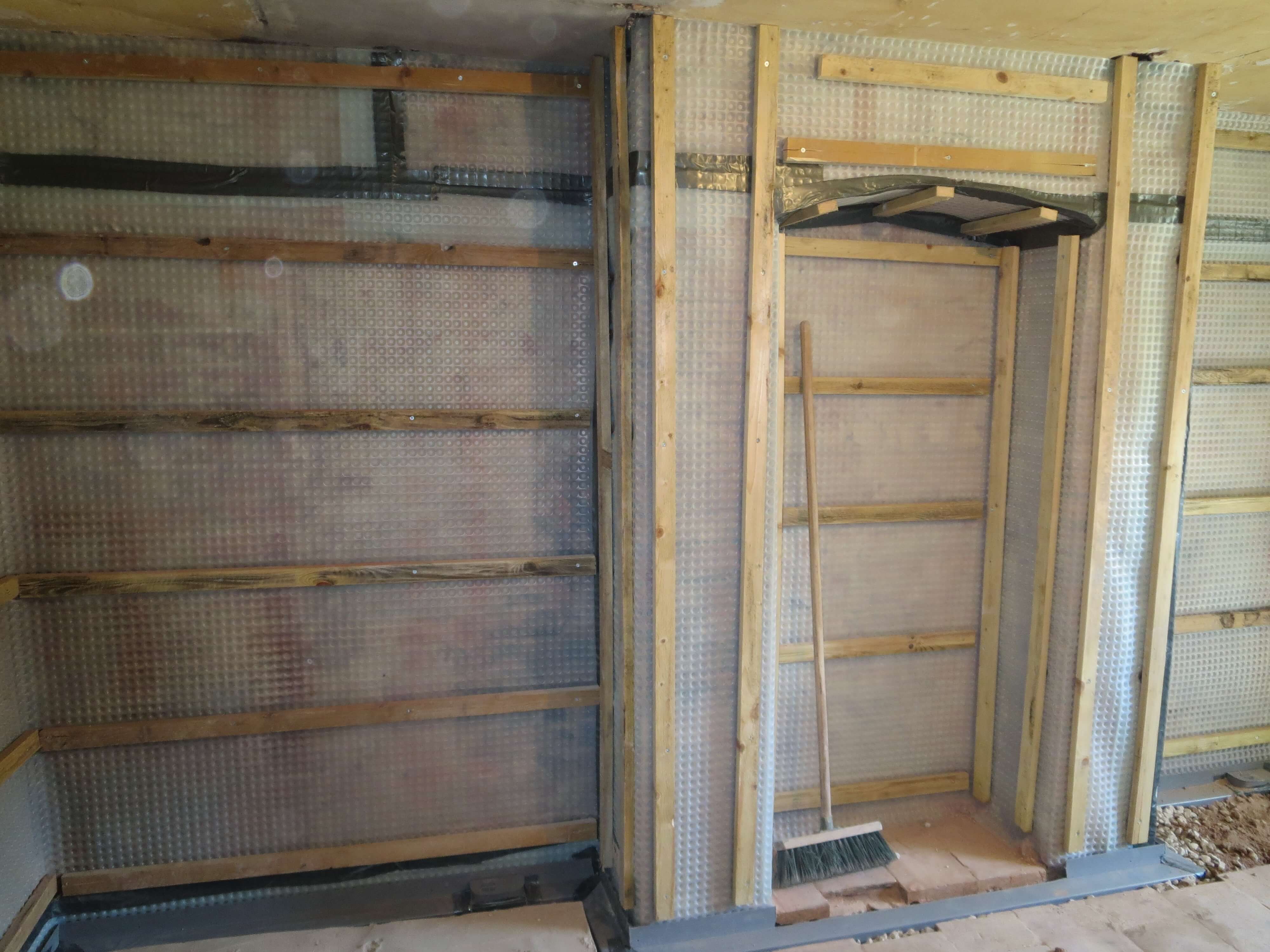
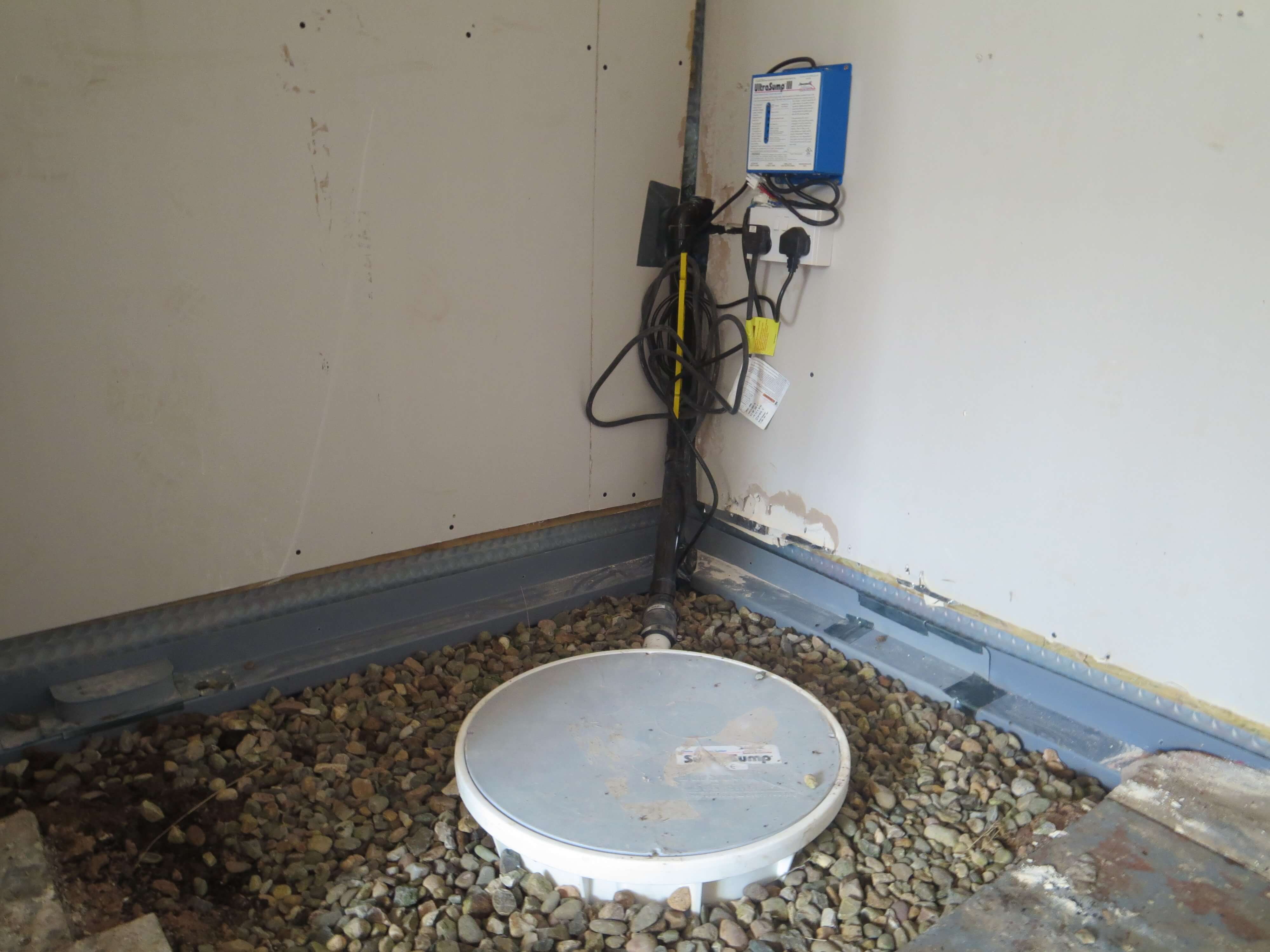
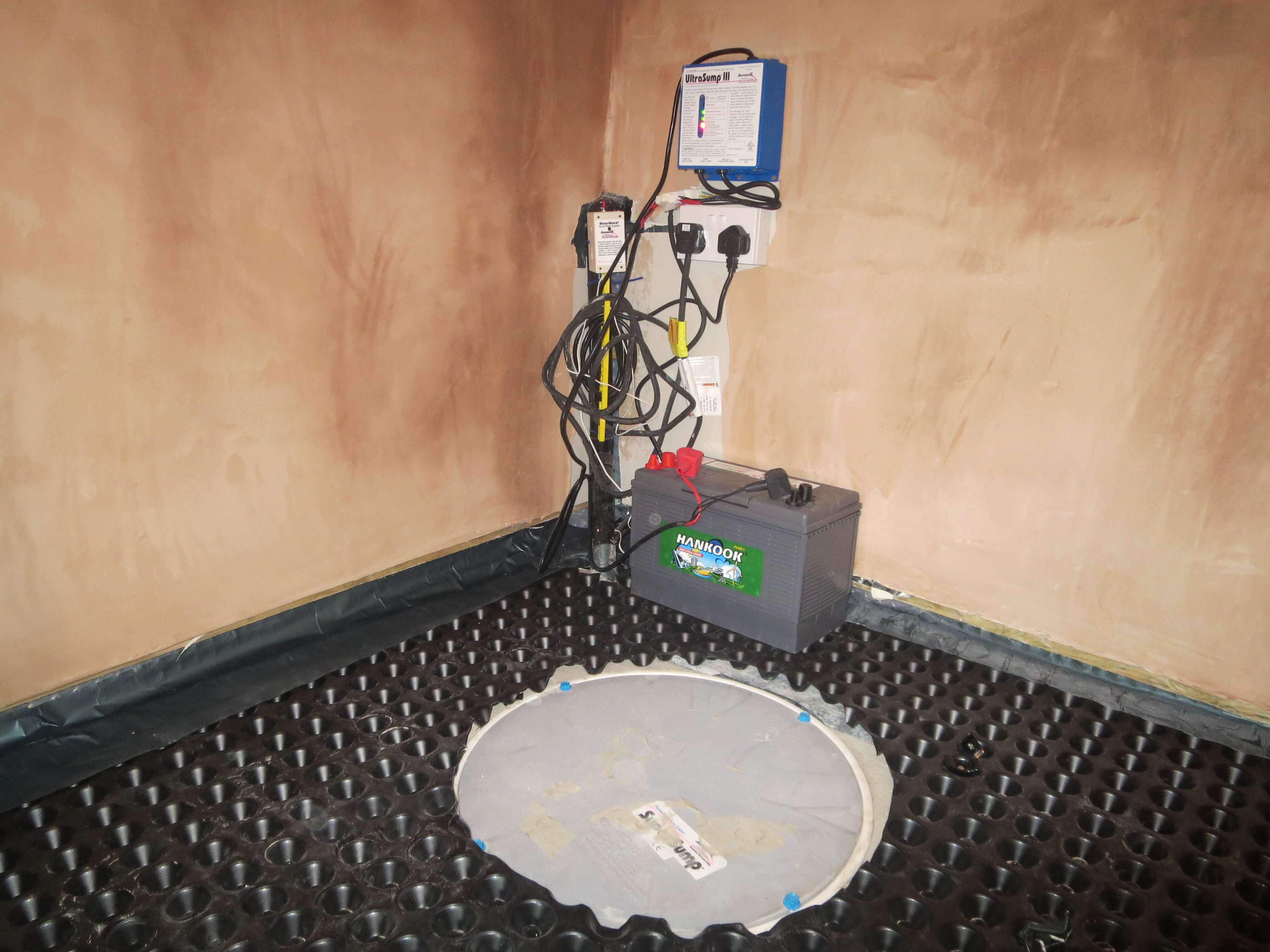
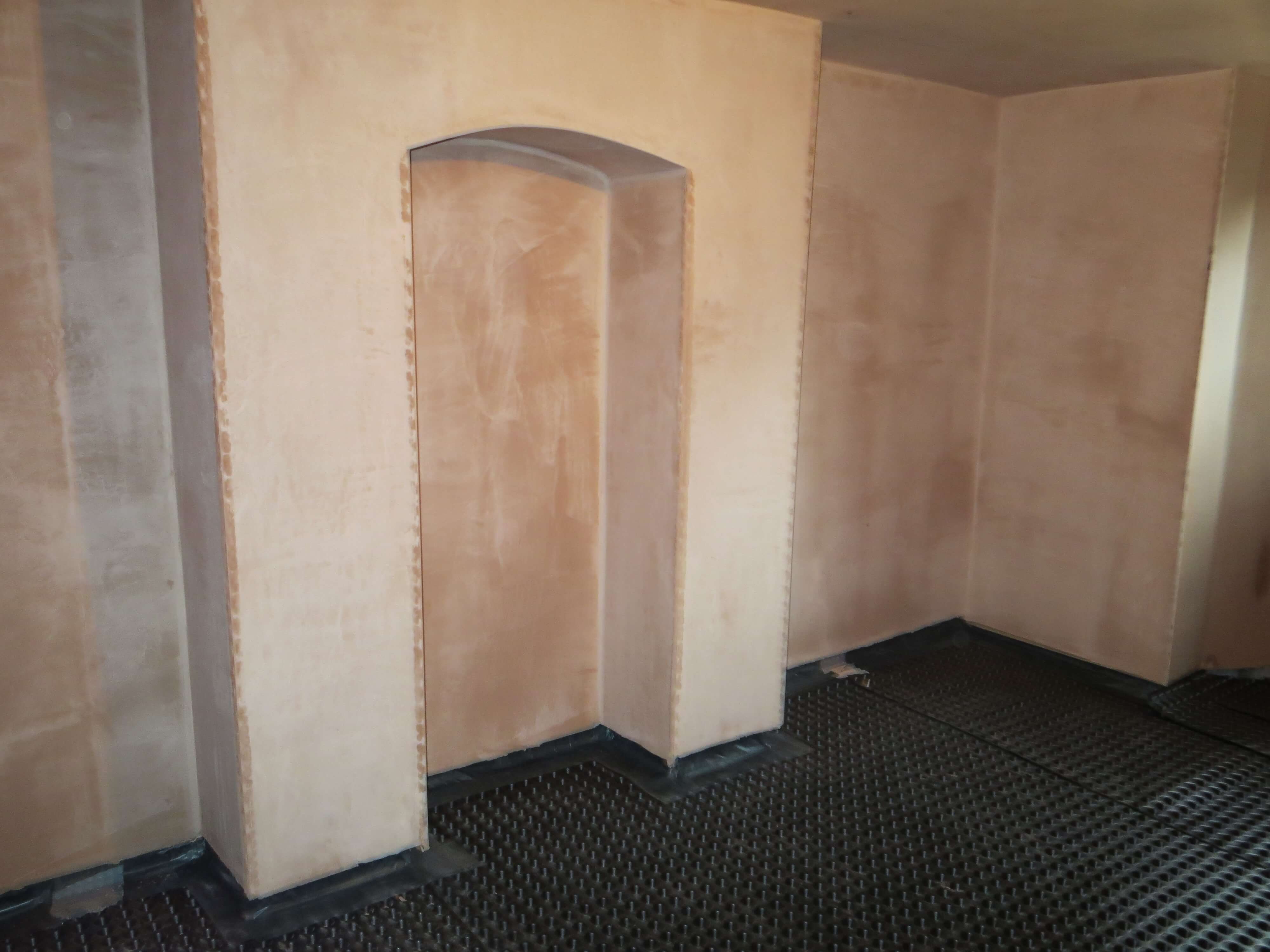
Your cellar will be set either partially or completely within the ground. Consequently, your cellar will tend to suffer from damp. Whilst your cellar may never have experienced flooding, there is a possibility that tis may occur in the future. By using a cavity drainage system, we ensure the water is effectively managed. A cavity drainage system is where we install a plastic dimpled membrane to the perimeter of the room that leads to sump and pump to discharge the water. Furthermore, the sump and pump gets the water out of your cellar. Protecting your cellar from damp is a very important part of the conversion process.

Is your basement/ cellar suitable for a conversion?

  • Does your cellar ever flood?
  • What is the access like to your cellar?
  • Does a staircase need to be installed, and if so is there adequate room for one?
  • What is the headroom in your cellar? Please bear in mind that the ceiling and the floor treatments that you will have to install will reduce the available headroom?
  • What are you planning to use the space for?
  • Is there an escape route apart from your staircase?
  • Is there any ventilation to your cellar or could any be provided?

If you can resolve all of these issues, then your cellar may well be suitable for conversion.

What are the stages of a basement conversion?

Initial meeting – Our surveyor, Jamie will arrive on the agreed date and time – to discuss the project requirements with you and carry out an initial survey.

Prepare the quote – Based on the discussion with you and the initial survey we prepare a quote and send it to you – normally via e-mail.

Follow up – If you haven’t contacted us already, we will call you to find out if you received the quote, if we included all the necessary works and if it was within your expectations. If you are happy with the quote, starting date is fixed.

Works starting date – We will call you few days in advance to confirm the starting date. Before or on the starting date we will kindly ask you for a 30% deposit – this will cover initial costs for skip, basic materials, scaffolding. Normally first job is to clear the site – removal of all finishes, demolition. All your personal items from the site should have been removed already.

As the works progress – Jamie, who manages the project will be visiting the site frequently. He will be checking the progress, discussing all arising questions, issues with you – making sure we follow your vision exactly as you specified it.

Finishing – As we get near to the completion, any snagging will be carried out. Once finished and you are happy with the result, the final third payment will be collected.

Feedback – As always, our ultimate goal is a happy customer – if there’s something that we could improve on we would kindly ask you for your feedback. We know that good references are essential for our business growth.

What next?

Contact us now if you are about to start your home transformation, now is the best time to get in touch with us:

One of our recent projects can be seen below:

Uninhabitable space

Moisture Membranes

Fittiing the Sump and Pump

Finished pump fit

Room Boarded and Skimmed

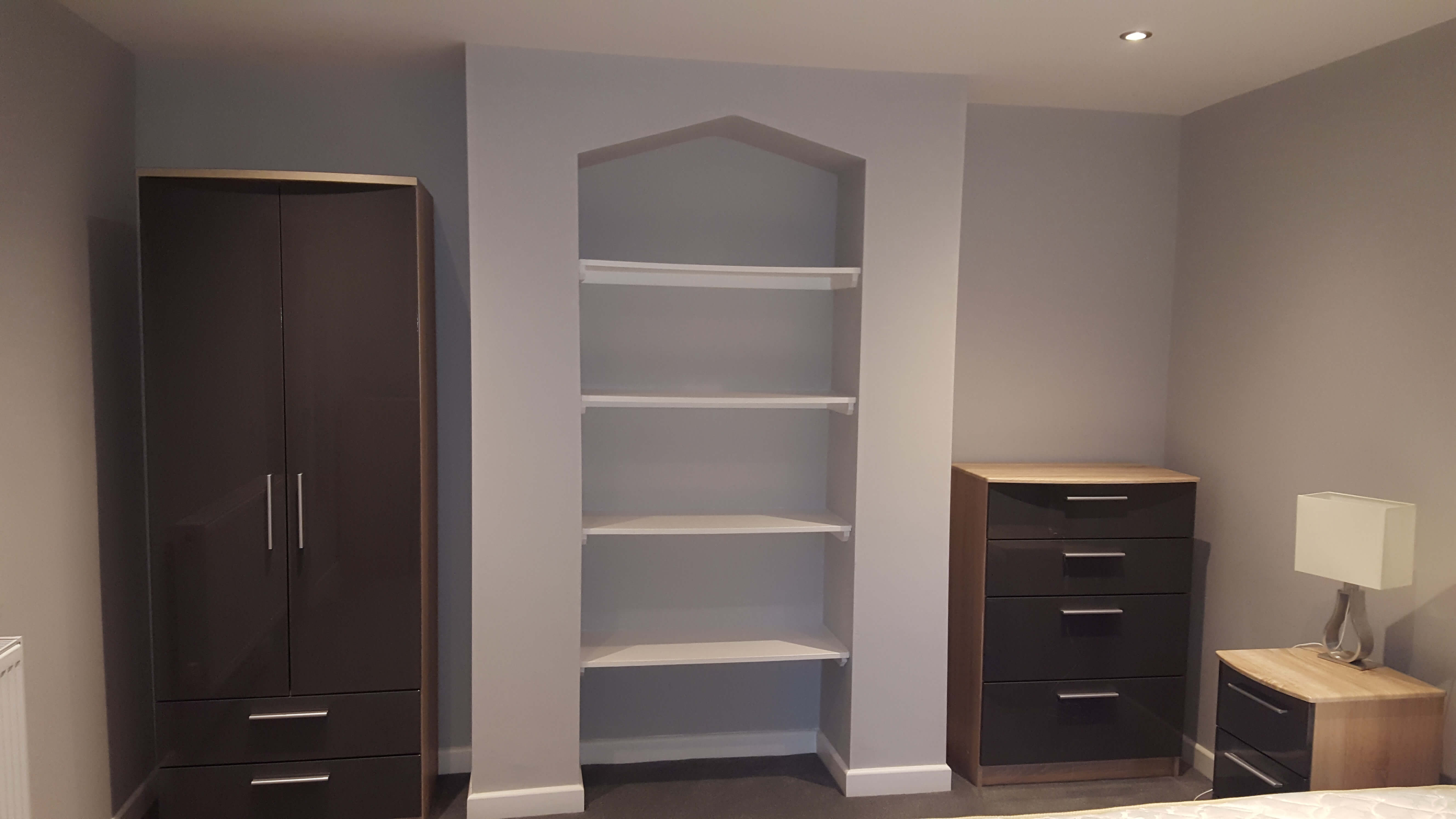
The finished bedroom!


The post U is for Underground Waterproofing (Basement/Cellar Conversions) appeared first on Atlantis Damp.


source https://www.atlantisdamp.co.uk/blog/u-is-for-underground-waterproofing-basement-cellar-conversions/

Thursday, 27 September 2018

T is for TrustMark

In this installment of A-Z of Atlantis Damp Proofing, T is for TrustMark.

Through TrustMark, Atlantis Damp Proofing & Timber Specialists Ltd pushes for greater consumer protection.

What is TrustMark?

TrustMark helps to bring customers and trades together. TrustMark is the only Government endorsed scheme for trades you need in and around the home. We have been awarded the accreditation after thorough vetting and on-site inspections to ensure we are raising industry standards.

This accreditation gives customers reassurance of quality and protection from rogue traders. TrustMark is the only ‘find a tradesperson’ scheme to cover all 3 cornerstones of quality:

·        Good Trading Practices

·       

·       

Why is TrustMark Accreditation important to us?

Jamie found his passion for being an honest, reliable and trustworthy contractor early on in his damp proofing career and set up Atlantis Damp Proofing & Timber Specialists Ltd so he had control to ensure these beliefs. They are reflected in everything we do. Jamie and Freya have always believed that anything you do should be to the best of your ability.

Ever since we started working to develop our business we have taken buckets of pride in our work. We always want to be better, learn of others and improve skills – we can never know too much!

Jamie set Atlantis Damp Proofing & Timber Specialists up in September 2009 and we became a limited company on 25th March 2013. In the early years we got most of our business through word-of-mouth and referrals. Nowadays we’re seeing an increasing number of customers contacting us after finding us on the PCA and TrustMark website. We’ve also got the TrustMark logo on business cards, the website. In addition, our van displays the logo, also acting as a mobile advert.

What Jamie says:

I believe everyone should be accountable for the work they do. It upsets me when I see the state some homes have been left in. There’s been many times when I’ve been called in to fix a job gone wrong. I try to educate customers about their legal standing and how to go about finding reputable companies so that they don’t end up in the wrong pair of hands”.

What can you expect from forms without a TrustMark accreditation?

We recently had a customer call us up because they had had some damp proofing done by another local firm which appeared to have failed. The client could not get the company to come back. The firm they had used were cheaper than us but were not PCA or Trustmark registered. The client was at the end of their tether. With Trustmark protection, they would have had a place to turn to get support if they were not happy.

We like to bring a personal touch to each job, and will go the extra mile, particular for customers who are less able. Adding an extra 10-15 minutes onto our day to help out a less able customer with some of the preparation needed before we start work is no inconvenience to me, but can make such a difference to their level of comfort.

What can you expect from us?

As the industry is undergoing changes and improvements all the time, it can be hard for us to keep on top of things. By being associated with the Property Care Association (PCA) we are kept abreast of best practice to remain a forward-thinking Company, who’s committed to long term customer satisfaction.

It means the world to us to be associated with TrustMark. Not only does it tell you that we are working to Government-endorsed standards, but it’s also a great way for us to win new business.

Contact us now to see how we can help you get to the root cause off your damp or timber issue. We are the firm you can trust.

The post T is for TrustMark appeared first on Atlantis Damp.


source https://www.atlantisdamp.co.uk/blog/t-is-for-trustmark/

Monday, 27 August 2018

S is for Sump and Pump

S is for Sump and Pump

In this instalment of our A-Z of Atlantis Damp Proofing & Timber Specialists Ltd, S is for Sump and Pump.

Did you know that here at Atlantis Damp Proofing we can help you make your cellar/ basement into a habitable space? We do this by using sumps and pumps to remove the moisture you will find in a sub terrain environment.

We are specialists in using sumps and pumps when converting cellars/basements. With very high house prices in many areas of Cheshire it makes sense to maximise your living space by converting a basement in your home. Therefore, some of our basement conversion include second lounges, extra bedrooms, kids play areas or office space.

Your cellar will be set either partially or completely within the ground. Consequently, your cellar will tend to suffer from damp. Whilst your cellar may never have experienced flooding, there is a possibility that tis may occur in the future. By using a cavity drainage system, we ensure the water is effectively managed. A cavity drainage system is where we install a plastic dimpled membrane to the perimeter of the room that leads to sump and pump to discharge the water. Furthermore, the sump and pump gets the water out of your cellar. Protecting your cellar from damp is a very important part of the conversion process.

Is your basement/ cellar suitable for a conversion?

  • Does your cellar ever flood?
  • What is the access like to your cellar?
  • Does a staircase need to be installed, and if so is there adequate room for one?
  • What is the headroom in your cellar? Please bear in mind that the ceiling and the floor treatments that you will have to install will reduce the available headroom?
  • What are you planning to use the space for?
  • Is there an escape route apart from your staircase?
  • Is there any ventilation to your cellar or could any be provided?

If you can resolve all of these issues, then your cellar may well be suitable for conversion.

What are the stages of a basement conversion?

Initial meeting – Our surveyor, Jamie will arrive on the agreed date and time – to discuss the project requirements with you and carry out an initial survey.

Prepare the quote – Based on the discussion with you and the initial survey we prepare a quote and send it to you – normally via e-mail.

Follow up – If you haven’t contacted us already, we will call you to find out if you received the quote, if we included all the necessary works and if it was within your expectations. If you are happy with the quote, starting date is fixed.

Works starting date – We will call you few days in advance to confirm the starting date. Before or on the starting date we will kindly ask you for a 30% deposit – this will cover initial costs for skip, basic materials, scaffolding. Normally first job is to clear the site – removal of all finishes, demolition. All your personal items from the site should have been removed already.

As the works progress – Jamie, who manages the project will be visiting the site frequently. He will be checking the progress, discussing all arising questions, issues with you – making sure we follow your vision exactly as you specified it.

Finishing – As we get near to the completion, any snagging will be carried out. Once finished and you are happy with the result, the final third payment will be collected.

Feedback – As always, our ultimate goal is a happy customer – if there’s something that we could improve on we would kindly ask you for your feedback. We know that good references are essential for our business growth.

What next?

Contact us now if you are about to start your home transformation, now is the best time to get in touch with us:

One of our recent projects can be seen below:

Uninhabitable space

Moisture Membranes

Fittiing the Sump and Pump

Finished pump fit

Room Boarded and Skimmed

The finished bedroom!


The post S is for Sump and Pump appeared first on Atlantis Damp.


source https://www.atlantisdamp.co.uk/blog/s-is-for-sump-and-pump/

Monday, 6 August 2018

R is for Recommendations and Referrals

In this installment of A-Z of Atlantis Damp Proofing & Timber Specialists Ltd, R is for Recommendations and referrals.

At Atlantis Damp Proofing & Timber Specialists, we are very proud of the positive reputation we have built. We are committed to continuing to build on our success for many years to come. See our Google, Facebook and Check a Trade pages to keep up to date with our latest 5 star reviews!

Here’s what some of our happy customers say:

Louise Hough says “Had a condensation problem and having seen an advert on Northwich Life twelve months previous, I contacted Atlantis Damp and spoke with Freya, who came to review the situation. They installed a loft ventilation system and it’s worked a treat – no more condensation

Matt Johnson says “Absolutely stellar service. Competitively priced and proved to be completely reliable. Plastering was superb with a great finish. Highly recommended

See all our recommendations and referrals from Facebook here https://bit.ly/2Jjhh2t

From Check a Trade

See our other Check a Trade recommendations and referrals here – https://www.checkatrade.com/AtlantisDampProofingandTimberSpecialists/

From Google:

Dave Goodwin says “I initially contacted Atlantis to get a quote for damp course and sub floor ventilation after a mortgage survey had highlighted some work which required completing and had lead to a monetary retention. Jamie replied to email query within a few minutes of initial contact and came out promptly. He was professional throughout and explained his findings to me in plain detail, something that 2 other PCA damp contractors did not do. The Atlantis survey was detailed and extremely well priced, in fact half the price of a leading competitor! After looking at the reviews and competitive prices I opted for Atlantis. On said day the lads arrived at the time agreed and quickly set about the work. They were all very friendly and polite and carefully prepared the area. Total professionals. They cracked on and had the work completed in only a few hours, which is testament to how efficient they worked. The lads kept the place clean throughout and tidied up on completion. I was extremely impressed throughout from start to finish and would definitely recommend Atlantis and most certainly use them again without hesitation.

See our other Google recommendations and referrals here https://bit.ly/2xNGhhj

The post R is for Recommendations and Referrals appeared first on www.AtlantisDamp.co.uk.


source https://www.atlantisdamp.co.uk/blog/r-is-for-recommendations-and-referrals/

Monday, 11 June 2018

Q is for Quality of Internal Air

In this instalment of A-Z of Atlantis Damp Proofing & Timber Specialists Ltd, Q is for Quality of Internal Air.

As part of our business we deal with solving condensation problems. Most of us spend a lot of our time indoors and the toxic mould associated with condensation can affect the quality of the internal air in your home. But don’t worry, we have a solution to help you solve the problem.

Why focus on Quality of Internal Air?

When we think of air quality, we immediately turn to external air pollution caused by smog and fumes from cars and manufacturing. We all know about the potential health issues associated with these pollutants.

Have you ever thought about the pollutants in your home effecting the air quality?

The dangers from indoor air pollution can also be harmful. Indoor pollution can be caused by cooking residue, paints, varnishes and fungal spores. Also, wood burning stoves, open fires and cleaning products that we all use on a daily basis

There is evidence to suggest that long term air pollution can be extremely harmful to health. Therefore, improving the quality of internal air in your home is so important. Left unchecked, poor quality of internal air can lead to breathing issues, allergies, asthma and chronic pulmonary disease. We have had numerous reports from our customers of almost immediate improvement in air quality once out PIV system is fitted.

Additionally, health benefits aside, improving your indoor air quality can also help get rid of stale smells and provide a generally more pleasant living environment.

How is air quality linked to condensation and mould?

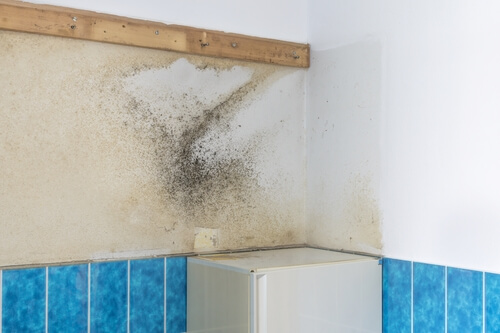
One of the signs of poor ventilation is the appearance of condensation in your home. This moisture and dampness can lead to mould growth. This mould is unsightly and damaging to the fabric of a building. Furthermore, it has also been found to aggravate breathing and skin conditions, such as asthma and eczema. 

damp proofing explanation

How can I improve the air quality in my home?

There are things you can do to improve the quality of internal air in your home.

Tip 1

You should avoid drying washing indoors, especially on the radiators. This can cause humidity levels to rise due to excess moisture, which is what causes condensation to form. If there is no other alternative and laundry has to be dried inside, it should be done in a well ventilated room. Also, remember to keep the door closed so the moisture can not ‘travel’ around the home as readily.

Tip 2

You should leave space between furniture and the wall. Condensation and mould love tight spots in your home where there is poor circulation of air. This is where the quality of internal air is low. It is best to leave a few centimetres between your furniture and walls to enable the air to circulate. Try to ensure that your wardrobes are placed against internal walls in the bedroom. These walls will be warmer than external walls, making mould less likely to form behind them.

Tip 3

Next you can test the quality of air in your home. You can do this by purchasing an air quality monitor. This will give you real-time alerts of air pollution levels in your home.‎ If you are concerned about indoor air quality, particularly if you have children, then it’s a good idea to contact us to arrange a ventilation survey.

Tip 4

You may decide that the best way to reduce pollutants in the home and improve air quality is to invest in an effective ventilation system. A whole house ventilation system, like Positive Input Ventilation (PIV), can be housed discretely in the loft or hallway and can improve the air quality across all the rooms in the house. By introducing fresh, filtered air into a home, humidity is lowered, and condensation and mould cannot form. It also dilutes the levels of air pollutants in the home.

What is a Whole House Ventilation System (PIV) system?

As you can see, we believe that ventilating your property is key to improving the quality of Internal air. One system we have mentioned in the whole house ventilation (PIV) system. In essence this system works by taking the positive pressure from your loft space and using that to force the moisture laden air out of the property before it gets a chance to condense. Positive Input Ventilation systems are ideal for curing your mould & condensation issues and air filtration. A single system is ducted to a central area which covers your whole property. Furthermore, there are both loft and wall mounted options to suit your house or apartments.

What is Breath Easy Week?

This summer, from 18-24th June 2018, British Lung Foundation focuses on lung health and raising awareness of lung conditions. We like to do our bit to support charities and as such, we’ll donate 10% of our profit from every PIV installation we complete in June.

Although June may not be in the official ‘condensation season’, the signs you had last winter will return. Your condensation issue may even be worse this winter so we suggest you take advantage of this offer while you can. Get fresh, clean air to help your whole family breathe easier.

Want to know more?

What next? Contact us now to see how we can help you improve the quality of internal air in your home.

The post Q is for Quality of Internal Air appeared first on www.AtlantisDamp.co.uk.


source https://www.atlantisdamp.co.uk/blog/qualityofinternalair/

Saturday, 9 June 2018

N is for Nitrates and Rising Damp

In this installment of A-Z of Atlantis Damp Proofing & Timber Specialists Ltd, N is for Nitrates and Rising Damp.

In the vast majority of cases we use our experience and moisture profiling techniques to determine whether the dampness in your home is, in fact, rising damp. It could be from another source entirely. It could be a leak, condensation or penetrating damp. However, if you so wish we can confirm our findings. We do this through what is known as destructive testing. With destructive testing, we can see if there are chlorides and nitrates in the wall sample. Nitrates and Rising Damp are inextricably linked.

Damp is a salty business,

A consequence of rising damp is that it brings with it up from the ground various salts, mainly chlorides and nitrates. These accumulate in higher concentrations at the surface of the damp section of an affected wall from where evaporation takes place. This links Nitrates and Rising Damp. The greatest concentration of these salts is towards the highest point that the moisture has risen. These salts are moisture attracting (hygroscopic). Even if the rising damp that originally introduced them has been prevented, the salts will remain. They have the ability to cause persistent damp patches and spoil decorations. Especially when the atmosphere is damp and humid.

Why focus on Nitrates?

We always focus on the presence of nitrates in our samples as chlorides can be present in tap water. We’re only interested in salts that have risen from the ground.

There are three conditions that must be present in your sample to identify that rising damp is present. They are:

1. As mentioned above, you must have a rising damp moisture profile. That is a profile (think pattern of moisture readings) that is wetter at the wall base but gradually decreases with height. The maximum height is usually up to 1.0-1.5m, but this can differ depending on factors such as the humidity levels in your home or the property’s water table.

2. Furthermore, you may wish that we prove that moisture is present at depth in the masonry and that it is not enough to take surface readings from the plaster work. We  have a radio frequency mode on our high tech moisture meters, which can detect moisture at depth. We are also equipped to carry out destructive testing at your request. This will involve deep wall probes or a calcium carbide (speedy) meter to confirm this on site.

3. You will then need to confirm that nitrates are present in the damp apex of your moisture profile. This will involve doing on site analysis or us sending a sample off to the labs. A positive test for nitrates confirms that the moisture has leached up from the soil.

Salts analysis can be a very useful method of determining if rising damp is the cause of dampness. Therefore, we can provide this service if you request it as it provides a crucial aid to correct diagnosis.  We also provide an off-site remote diagnostic service.  By simply removing a small sample of your plaster or wall covering and sending it to our external laboratory, who then carry out salts analysis on our behalf and advise you if any are present. 

Want to know more?

See our blog on Hygroscopic salts and then contact Jamie or Freya for an informal chat to see how we can help you.

The post N is for Nitrates and Rising Damp appeared first on www.AtlantisDamp.co.uk.


source https://www.atlantisdamp.co.uk/blog/n-nitrates-rising-damp/

Wednesday, 23 May 2018

O is for Owners Can Help

The A-Z of Damp & Timber from Atlantis Damp Proofing Specialists… O is for Owners can Help Themselves

In this episode of The A-Z of Damp from Atlantis Damp & Timber Proofing Specialists Ltd, O is for Owners can Help Themselves.

With the long weekend ahead of us, we know it should be the perfect opportunity to bring out the patio furniture and stock up on charcoal for the BBQ – but, it’s also the perfect time to give your property the “quick once over” to tackle any issues that may have come apparent during the winter months. Let’s take a look at some of the main problems you should look out for.

General Maintenance

Time and time again we see poor general maintenance leading to internal damp issues. You can help by following these simple steps:

  • Keep your gutters and downspouts clear of debris and vegetation
  • Keep your pointing in sound condition and replace any bricks that have spalled.
  • Fix any slipped tiles/ replace lost tiles as soon as possible to prevent moisture ingress.
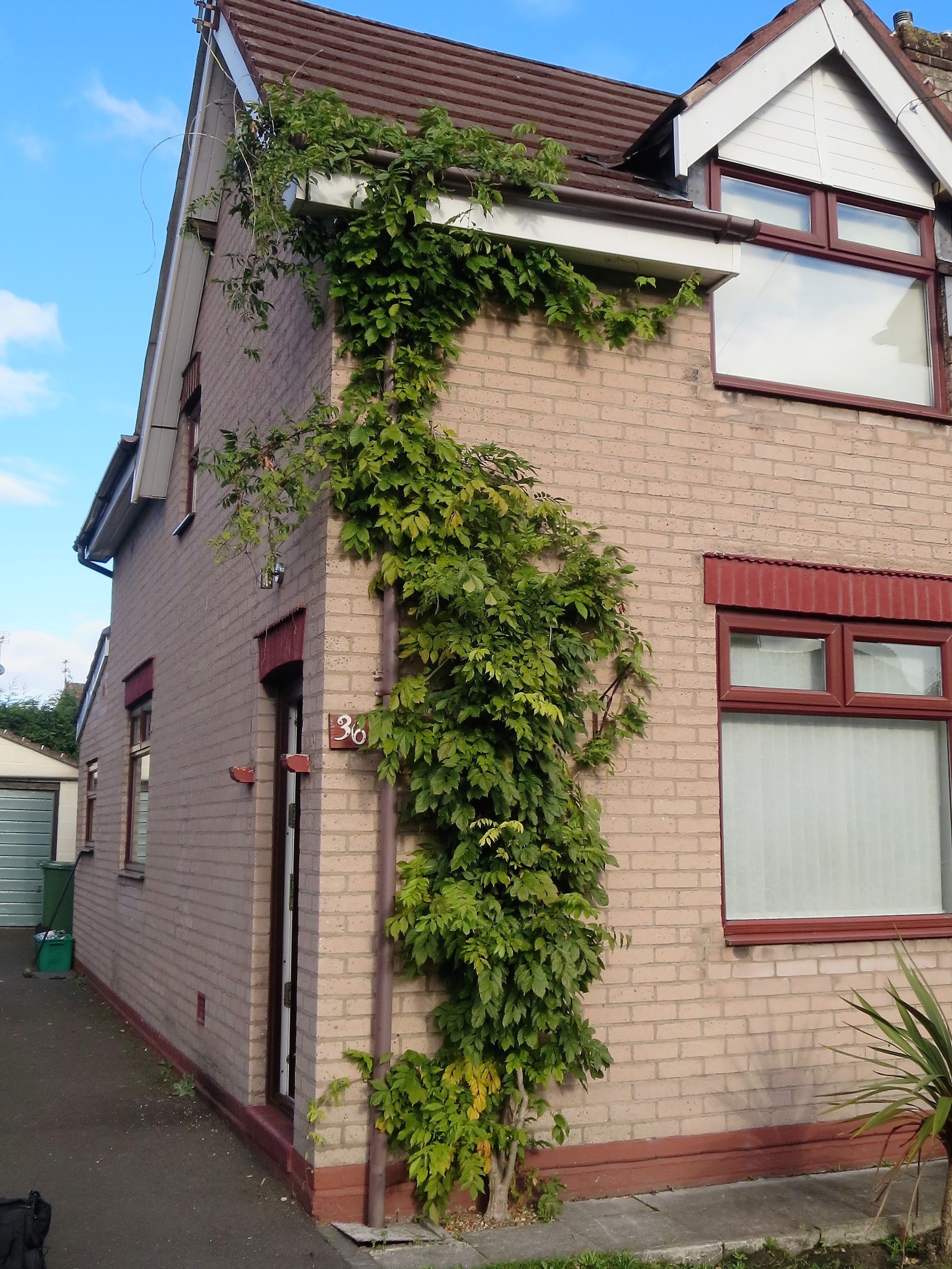
  • Cut back climbers from external walls if your property is built using solid wall construction.
  • If you get a new driveway installed, make sure that you have it installed leaving sufficient height to the DPC.

Rising Damp

Rising damp is caused by moisture finding its way into your home through brickwork or stonework. To see if rising damp is present there are certain checks that can be made by yourself without the assistance of a damp surveyor.

The typical signs of identifying rising damp include the following:

  • Horizontal brown or discoloured ‘tide’ marks to be seen typically up to 1 meter in height (although it can go higher!) on interior walls.
  • Plaster will bubble and peel away from the interior walls
  • Wooden beading and skirting boards will become brittle and eventually show the signs of deterioration
  • Mould on walls.
  • Walls may feel damp when touched

Woodworm

Woodworm is one of the most common forms of damage in timber in the UK. One of the most unfortunate parts of a woodworm infestation is that the signs of the problem are only visible at the end of the woodworm’s lifecycle. This is when the woodworm beetle breaks free from within the timber to continue its breeding.

The signs to look out for are what we call exit holes. These holes in the wood or timber can be between 2 and 5 mm in diameter meaning they can often be spotted up close without the need for a magnifying glass, unless there is a large infestation and many exit holes together.

Condensation

Condensation can create unsightly black mould that can become a continued nuisance for you, the owner, and lead to health issues if left unchecked. But don’t worry, there are some easy steps that you can take help to alleviate this problem in your home. Take a look at our top tips below:

TOP TIP 1:

Keep your home well ventilated by opening windows every day. You should also make sure that the drip vents in your windows are open as these allow additional airflow that will combat condensation. If you have condensation on windows it is likely that it will be elsewhere in your property too.

TOP TIP 2:

When you are cooking always turn the extractor fans on in the kitchen on a high power. This will extract any excess moisture from boiling pots and pans. If possible, open up the kitchen windows whilst cooking for extra ventilation. It is an idea to leave the extractor fan on for longer than you are cooking as there will be excess moisture in the air which you cannot see.

TOP TIP 3:

After taking a bath or shower there will be excess moisture in the air. To stop condensation forming, the bathroom windows should be opened and extractor fans turned on. Try to keep the bathroom door shut as much as possible so the moisture doesn’t escape into other parts of your home. The more moisture-laden air you can get out at source, the better.

TOP TIP 4:

When you are drying your clothes you should dry them outside where possible. If you cannot do this then put them in an enclosed room and keep the window open. If you use a tumble dryer to dry your clothes it is extremely important that the ventilation pipe runs to the outside of your property.

TOP TIP 5:

You should leave a small gap between the walls of your home and your furniture as this allows the air to move away from the bottom of the walls and circulate around the room. If air lingers between the furniture and walls it will condense onto walls and could eventually form into black mould.

TOP TIP 6: 

Your property’s airways such as air bricks and chimneys should be clear to allow airflow in and out of your home. Air ventilation is extremely important as you don’t want moist air to be trapped in one part of your home as it will condense on your walls.

TOP TIP 7: 

During the winter and at other cold times of the year you should try to maintain a constant temperature in your home, a minimum background heating of 10 degrees.

Want to know more about Condensation? Click here.

Need help to rid your property of rising damp, woodworm or condensation, contact us now for an informal chat to see how we can help you.

The post O is for Owners Can Help appeared first on www.AtlantisDamp.co.uk.


source https://www.atlantisdamp.co.uk/blog/o-owners-can-help/

Monday, 5 March 2018

L is for listed buildings

L is for Listed Buildings and the use of Electro Osmosis.

In this instalment of A-Z of Atlantis Damp Proofing & Timber Specialists Ltd, L is for Listed Buildings and the use of Electro Osmosis.

Today we went to survey a beautiful sandstone cottage in Tarporley, Cheshire and noticed a very old Electro Osmosis damp proof system in place. It got us to thinking. When would we recommend an Electro-osmosis system to be installed?

Although we strongly recommend the use of Dryzone thixotropic chemical DPC for the vast majority of our damp proofing remedial works, occasionally there comes a time when cream installation is not appropriate. For example, on an English Heritage site. Often it is a condition of any remedial works that the building must be able to be returned to their original condition. Once the thixotropic cream has cured to form a water resistant barrier along the mortar course, it can not be removed. This is where Electro Osmosis Damp proofing system may be utilised.

What is Electro Osmosis?

Electro-osmosis involves the introduction of a low static electrical charge into the masonry, via a series of titanium wire anodes. A series of holes are drilled into the mortar course. The anodes are inserted into these holes at the base of the walls (at the same height as a chemical DPC). The anodes are then linked by a thin wire, creating the circuit. It is then connected to a mains electrical circuit via a small transformer. The volts are very low and perfectly safe. The theory is that the positive charge through the wire repels the rising moisture molecules, thus preventing damp from rising.

What are the benefits of this system?
  • Installation is neat and quick.
  • The complete circuit is virtually invisible and the disruption is minimal.
  • It is chemical free and environmentally friendly. Again, this can sometimes be a key consideration for some customers. Listed building or not.
  • The system operates well in all types of masonry (brick, stone composite walls and concrete).
  • Energy consumption remains negligibly low.
Which Electro Osmosis system do we use?
  • Our anodes are pure titanium coated with a platinum group element. This ensures outstanding reliability and resistance to physical and chemical attack.
  • We use titanium wire.
  • All modern Electro Osmosis circuits are earthed for your safety.

Why doesn’t Atlantis Damp proofing & Timber Specialists Ltd routinely recommend this damp proofing system?

There are two main reasons that we choose not to routinely recommend the Electro Osmosis system. Firstly, it does not have BBA approval.  Only products and systems that have passed a series of comprehensive assessments – including laboratory tests, on-site evaluations, quality management checks and inspections of production are awarded an Agrément Certificate. This is BBA Approval. Dryzone has BBA approval. This, coupled with the excellent product performance we have seen ourselves over the past decade, means it’s remains our first choice.

Secondly, Electro Osmosis systems provide no solution to salt contaminated walls. See our blog on hygroscopic salts to understand why we believe this is the second half of any good solution to tackle rising damp.

So in spite of the fact that we believe that Electro Osmosis may have a place in today’s Damp Proofing industry, we will not be recommending it to solve the damp issues in the sandstone cottage we saw today. Despite the non-standard construction of the property in Tarporley, Cheshire, we believe Dryzone thixotropic cream will be the most effective solution.

Are you unsure of the best option to treat your property’s rising damp issue? Contact us today to talk it through or arrange a site visit so we can explain t he best option to you.

The post L is for listed buildings appeared first on www.AtlantisDamp.co.uk.


source http://www.atlantisdamp.co.uk/blog/l-listed-buildings-electro-osmosis/

M is for Mortgage Reports (Pre-purchase Damp & Timber Surveys)

M is for Mortgage Report (Damp & Timber Pre-Purchase Survey).

In this episode of The A-Z of Damp from Atlantis Damp & Timber Proofing Specialists Ltd, we see how M is for Mortgage Report (Damp & Timber Pre-Purchase Survey).

Ask yourself:

Has dampness been noted on your mortgage lenders Home Buyers Report?
Is it rising dampness due to a failed damp-proof course? Is the answer chemical damp-proofing? Or is it a bridged damp-proof course? Penetrating damp? Condensation?

You may not know the answers to these questions. At Atlantis Damp Proofing & Timber Specialists Ltd, we are committed to getting you the answer so you go into any purchase with your eyes wide open.

Why do I need a pre purchase damp survey?

The slightest hint of damp will therefore get the mortgage surveyor to include statements referring to damp. You may read- ‘Random moisture meter readings were taken and adverse readings were recorded on some walls, this indicates an on-going damp problem at the property. A competent Damp & Timber Specialist should be commissioned to assess the severity of the rising damp to the property and quote for necessary damp-proofing and timber treatment works.’ We are just the specialist firm that you require.

What is included in your damp report?

Depending on the instructions you give us, accessible walls at ground floor level will be inspected for rising damp. We will use an electric resistance meter, together with visual observations (internally and externally). Generally, non-destructive techniques are used in the diagnosis of damp. However, if you require our expert opinion to be confirmed, samples are sent to the lab for analysis. Where required we will take various plaster samples to determine the true moisture content of masonry by Carbide Testing. If we have to take samples then these are usually taken from walls behind furniture, curtains etc so to minimise any visual impact and all holes made by us will be made good.

  • typical external observations will be made such as:
  • position and type of any physical damp-proof course,
  • any current building defects,
  • any faults with rainwater goods,
  • the roof condition,
  • external render condition,
  • whether ground levels are at sufficient height to cater for rain splash
  • sub-floor ventilation will be included where appropriate in the report.
  • visual evidence of timber decay.

We will then provide a written report detailing any defects together with recommendations and specifications for alleviating any dampness. If required, we will also submit a quotation for the works and if we subsequently carry out the works then the survey fee may be deducted from the invoice. In many cases no chemical damp-proofing is required and any ‘rising damp’ has been confused with condensation and penetrating damp.

What is included in a timber report?

Depending on the instructions we receive, accessible timbers will be inspected for wood boring insect attack or fungal decay (i.e. wet or dry rot ). e will inspect roof timbers if suitable access through a loft hatch is available. Where permission has been granted, we will move items of furniture and take up sections of carpets to gain access to timber floors. We will lift floorboards to inspect the sub-floor voids for signs of dampness and timber decay. All staircase timbers will be also inspected, but this is often limited as carpets are difficult to remove and replace, and the underside is often also covered. Any visual evidence of timber decay and infestation will be reported on. We will inspect external joinery if you require. Accessible surfaces of internal joinery will be visually inspected. Internal and external observations will be taken, and comments on general building defects likely to affect internal timbers will be included where appropriate, in the report, if submitted.

We will then prepare a written report on the condition of timbers together with recommendations and specifications for any repairs which may be required. Usually it is possible to control any rot or infestation by environmentally friendly methods and chemical timber treatments or dry rot irrigation can be avoided. Sometimes localised treatments with an organic preservative are recommended.

How much do our surveys cost?

The charge we make depends on the size of property and the type of inspection you require. This indicates to us the time we require to deliver to your expectations. As an example, for a detailed inspection and provision of written report you can expect:-

Damp survey and report/quote: from £90.00 plus VAT
Timber survey and report/quote: from £90.00 plus VAT
Combined damp & timber survey and report/quote : from £120.00 plus VAT

How long do they take to complete?

The time it takes us to complete the survey depends on a number of factors but we aim to have the report back to you in 3-5 days.

We have noticed a change that lenders are only asking for damp and timber surveys very late in the mortgage application process. This puts you under severe pressure when trying to complete on a property. To help you we have introduced a fast-track service for an additional cost of £50 plus VAT. Whenever possible we will carry out a damp or timber survey on a given day and guarantee to produce a damp and timber report within 24 hours.

What do I need to do next?

We would suggest that you steer clear of damp-proofing firms to offer free Damp & Timber Surveys. You don’t want a company who routinely diagnoses rising damp and then recommends chemical damp-proofing together with associated re-plastering. Instead, trust us to save you from unnecessary, expensive and disruptive damp-proofing and timber treatments.

We can also provide quotations for any remedial damp and timber decay repairs which have been specified by a Chartered Surveyor (RICS) or any independent Remedial Surveyor (CSRT) who is a member of the Property Care Association or Institute of Specialist Surveyors and Engineers.

Arrange your survey now by contacting us phoning 0800 098 8277 or via e-mail on atlantiscanhelp@gmail.com.-

The post M is for Mortgage Reports (Pre-purchase Damp & Timber Surveys) appeared first on www.AtlantisDamp.co.uk.


source http://www.atlantisdamp.co.uk/blog/mortgage-report-damp-timber-pre-purchase-survey/

Tuesday, 25 July 2017

J is for Jamie Watkins

J is for Jamie Watkins

In this instalment of A-Z of Atlantis Damp Proofing & Timber Specialists Ltd, J is for Jamie Watkins.

Who is Jamie Watkins?

Hello everyone! My name is Jamie Watkins and I am owner and Managing Director of Atlantis Damp Proofing & Timber Specialists Ltd. I thought I’d take the opportunity to tell you more about myself and the passion I have for providing excellence in all the services I provide throughout Cheshire.

I began my construction career working part-time in the building yard at Robert Gleaves and Sons in Frodsham. On leaving school, I started full time. I absolutely loved this job! Interacting with all the trades. Gaining a solid basic knowledge of customer service, pricing and material quantities.

Then, in my early 20’s I joined my dad and brother in their plastering business. I followed in the family footsteps to become a third generation plasterer. I perfected all the skills I needed to become a general plasterer and continued to grow my knowledge of building sites and activities. A lot of my dad’s work came from a Damp Proofing firm. My interest grew and I could see an opportunity to develop my own business in this area.

In 2009 I took the leap to set up on my own. I also completed my C.S.R.T. Qualifications through the Property Care Association (PCA). It was an exciting (if not a bit stressful!) time for me. I was on the tools, training up my own crew and working evenings and weekends to complete all the paperwork, but I loved it! I’ve always been a ‘people person’ and enjoyed giving honest, reliable expert to provide the solution that people needed.

I knew there was no need to ever try to pull the wool over the eyes of others and pretend solutions were needed when they weren’t. To this day, I operate on this philosophy. So do my team. I am genuinely saddened when I hear of the poor experiences my clients have had with previous ‘Damp Proofing’ companies and I believe all of our 5 star reviews reflect that we are just not like them.

My company continued to grow and became Ltd in 2013, then VAT registered in 2014.

In 2017 I also became a qualified member of the Wall Tie Installers Federation (WTIF). Their rigorous training progamme was an eye opener. It gave me the confidence to more actively pursue this business area

In 2016, my wife, Freya, officially joined the business and started to survey with me. She also began her own C.S.R.T. Qualification which is now 2/3rd’s complete. Freya, shares my philosophy and is entirely committed to the vision that I began and we are sure we will fulfil our ambition of owning a strong family business that the next generation of Watkins’s can enjoy. My goal is not to compete with the big boys, I wish to remain a local, family run business with a passion for doing the right thing and continuing to enjoy happy customers.

Myself and Freya remain committed to providing Northwich, Warrington, Chester, Crewe, Altrincham and surrounding areas with expert, pragmatic, professional advice on Damp, Timber and Wall Tie fault diagnosis and recommendation. If you think we can help you, call us now on 0800 098 8277.

The post J is for Jamie Watkins appeared first on www.AtlantisDamp.co.uk.


source http://www.atlantisdamp.co.uk/blog/j-jamie-watkins/

Monday, 10 July 2017

I is for Interstitial Condensation

I is for Interstitial Condensation

 In this episode of The A-Z of Damp from Atlantis Damp & Timber Proofing Specialists Ltd, I is for Interstitial Condensation.

Dampness problems associated with condensation and mould growths occur in many buildings yet they are not always fully understood, particularly by the general builder or unqualified damp ‘expert’.

Condensation results from a series of relatively simple and well established physical factors, and is directly related to standards and methods of heating, ventilating and insulating buildings.

Condensation is often confused with rising damp and we are committed to getting you the correct diagnosis. Dampness in buildings can arise from a number of causes and the majority tend to be physical defects such as rising damp, penetrating damp or lack of maintenance. In the case of condensation, the problem is generally self-imposed. The emphasis on improving insulation and the way in which properties are now heated and ventilated has created exactly the right conditions for increasing condensation and mould growth.

Local authorities and, indeed, any landlord receive large numbers of complaints about condensation and mould growth. Atlantis Damp Proofing & Timber Specialists Ltd are committed to helping you resolve your condensation issue in an efficient and cost effective manner.

What is condensation?

Condensation as the name implies is water which has “condensed” from air on contact with a cold surface and it occurs when warm air cools down and releases the water vapour it was ‘holding’ into the air.

Air normally contains water vapour in varying quantities. Its capacity to ‘hold’ moisture is related to temperature; basically, warm air holds more water than cold air. When the air is saturated and it cannot contain any more water vapour at the existing temperature it is said to have a relative humidity (RH) of 100%. If the temperature of the air falls until saturation point occurs the air is at a critical temperature at which it cannot hold any more water – this temperature is known as the dew point. Any further fall in temperature will result in water vapour being forced to condense out as liquid water.

Condensation in a building usually occurs when warm air comes into contact with a cold surface; the air is cooled below its saturation point causing its excess water vapour to change into liquid water. Typically, you will actually see moisture on your windows, reveals, external walls, concrete lintels… in fact anywhere that can be seen as a ‘cold spot’ in relation to the normal room temperate. This surface condensation is often found on bay windows that are in their nature more exposed to the elements, low down corners of rooms (as we all know hot air rises) and behind furniture and curtains where air flow is restricted.

In addition to this surface condensation, air inside a heated building usually contains more moisture than does the external air (its normally warmer inside that outside in the UK!). This means it is a higher pressure which tends to force the warm air through the structure taking the moisture with it. Most building materials except glass, metals, plastics and certain lined elements, are to some extent permeable and do not obstruct the movement of moist air through the structure. the warm moist air will eventually cool below its due point within the fabric of the building resulting in condensation. This form of condensation is interstitial condensation.

What is Interstitial Condensation?

Interstitial condensation is rather more complex than the surface phenomenon and presents a greater hazard. The resulting high moisture content can often go undetected for long periods until serious structural damage has developed such as timber decay. It can also render ineffective any insulation within the component where it occurs.

How can Atlantis Damp Proofing help resolve your Interstitial Condensation Issue?

There are many factors to consider when protecting your property from interstitial condensation. Key considerations should be given to improving ventilation, controlling moisture generation and using an impervious moisture barrier, known as a vapour check, for example a foil backed plasterboard during the internal construction of the property.

If you’re concerned that your property is suffering from the signs of condensation, we are committed to helping you resolve your properties damp issue. Simply contact us now at Atlantis Damp Proofing & Timber Specialists Ltd for an informal chat to agree a way forward.


The post I is for Interstitial Condensation appeared first on www.AtlantisDamp.co.uk.


source http://www.atlantisdamp.co.uk/blog/i-interstitial-condensation/

Friday, 10 February 2017

H is for Hygroscopic Salts and Replastering a Damp Wall

The A-Z of Damp & Timber from Atlantis Damp Proofing and Timber Specialists Ltd – H is for Hygroscopic Salts

In this episode of The A-Z of Damp from Atlantis Damp & Timber Proofing Specialists Ltd, H is for…… Hygroscopic Salts and re plastering a damp wall.

What are Hygroscopic Salts?

When dampness has been rising from in the wall for some time, the soluble salts (mainly Chloride and Nitrates) become concentrated where the water evaporates from the wall. These deposits of salts are Hygroscopic. This means they attract the everyday moisture found in your home. This ‘dampness’ is not caused by water rising up the capillaries of the building materials. It is due to the dampness in the walls evaporating, and leaving the tell tale tide mark.

Why is marked plasterwork often the first sign something is wrong?

Wall plaster can act almost like blotting paper and can be highly susceptible to both internal and external sources of Damp or moisture. Wall plaster becomes contaminated with dampness from walls, floors and the atmosphere. the presence of a damp stain or salting on the surface of the plaster is a sure sign that something is going on that needs professional investigation.

There are many reasons for the appearance of damp such as rising damp, penetrating damp or condensation. The key to dealing with Damp Plaster is to identify the source of moisture and rectify it wherever possible. Once the source of moisture has been dealt with consideration may need to be given to the replacement of the wall plaster, either in a like material or by selection of an appropriate remedial system.

Can I install a DPC without re- plastering determines the success of Damp proofing?

We believe that the importance of the re-plastering works cannot be over-emphasised. The re plastering determines the success of damp proofing and it must be considered as important as the remedial damp proofing, indeed, if not more important. Once the source of the damp has effectively been removed, the hygroscopic salts remain in the wall and can continue to give the appearance of a damp wall. You may find that dampness will appear when the room is humid and disappear when the air is dry. These salts are efficient at absorbing water from the surrounding environment. As a result plasters and masonry may remain damp even though the source of moisture which caused the build up of the salt has been eliminated.

There are many different types of plaster available. The most commonly used remedial plasters are those incorporating a ‘salt retardant additive. It is vital that a special salt retardant additive is used to hold back any residual salts while still allowing the passage of water vapour. In certain circumstances it may be necessary to use specialist renovating plasters that are specifically manufactured for certain situations. Atlantis Damp Proofing & Timber Specialists Ltd will ensure you are given the correct advice and solutions. All our work can be supported with an insurance backed guarantee, so when we leave so do your damp problems.

Atlantis-quality-examples-Job-1-Image-1Atlantis-quality-examples-Job-1-Image-2Atlantis-quality-examples-Job-1-Image-3

If you think you’ve spotted some signs of damp in your home, contact Atlantis Damp Proofing & Timber Specialists Ltd to gain expert, honest advice.

The post H is for Hygroscopic Salts and Replastering a Damp Wall appeared first on www.AtlantisDamp.co.uk.


source http://www.atlantisdamp.co.uk/blog/hygroscopic-salts-replastering-damp-wall/

G is for… Garden in your Gutter


G is for….. Garden in your Gutter (causing internal damp)

In this episode of The A-Z of Damp from Atlantis Damp & Timber Proofing Specialists Ltd. G is for…… Gardens in your Gutter (causing internal damp). 

We recently visited a property in Northwich, Cheshire to survey for damp detected on walls internally. A young family had been quoted over £5,000.00 to remedy a reported rising damp problem in their home. They felt this quote was too high and as such were getting some comparisons. One of their friends recommended speaking to us to get a reliable, honest advice from a CSRT expert.

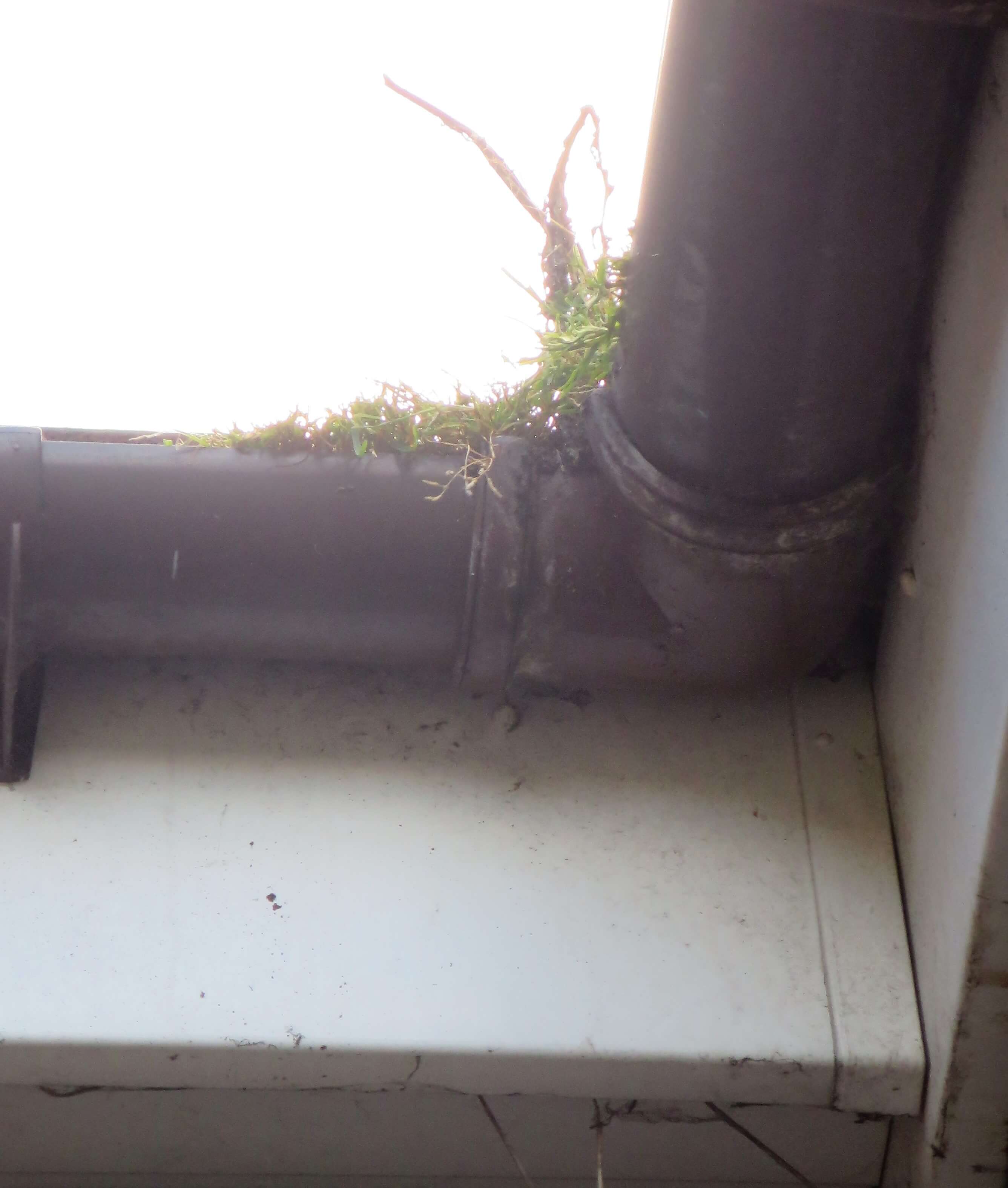
They were right to get a second opinion. There was no rising damp. Using a surface moisture meter, it was identified that there were no readings at skirting board height, or up to a meter high (which would be typical of rising damp). There were, however, high moisture readings. These were in the corners of the rooms at both the front and back elevations on the ground and first floor at ceiling height. An external inspection revealed that the gutters were severely blocked with debris. There was green staining and algae on the wall next to the downspout. This fault corresponded exactly to the dampness that was detected internally.

A blocked gutter can cause damage to your downspouts and water to build up and enter the property through what we term Penetrating Damp. If not repaired, it could also lead to roofing problems, which can, again lead to damp issues internally. As with any damp issue in your home, this could result in thousands of pounds worth of repairs as if you leave it unchecked. Wood rot in your structural timbers can occur.

Gutter and downspout blockages will always happen in your property, sometimes more regularly if your home is surrounded by trees. If you included clearing the gutters in your annual home maintenance plan it will never become a significant issue. As with all types of damp, if you can prevent penetrating damp through water penetration due to leaking gutters is so much more effective than treating it.

To do their job, your gutters and downspouts must be clear of leaves and debris. If they aren’t, drain outlets will dam up and rainwater will fill the gutters, overflow, and eventually pull the gutters loose. During a rainstorm, gutters route runoff from a very large surface—a home’s roof—to where it can drain away from the house. By doing so, they protect walls, windows, doors, and foundations from water damage and help prevent flooding in basements. If your gutters are blocked, they will fail to do the job that they were intended for – directing rain water away from your house and into your drains.

Depending on how hard the gutters are to reach, you can now contact a company to complete this task for you. If you prefer, and it is safe to do so, you can do it yourself. To clean out your gutters you will need: a trowel, ladder, buckets, garden hose, gutter cleaning attachment and gutter sealant. Next you could watch one of the many youtube videos (try https://www.youtube.com/watch?v=-zFoynqYkCM) on this subject that you could check out for more information on a DIY job.

What should you do next?

If you would like to have a chat with a family run business to get to the root cause of the dampness in your home, we feel confident that we can help you so simply contact us at Atlantis Damp Proofing & Timber Specialists Ltd for our expert opinion to ensure accurate diagnosis and solutions to your property problem.

The post G is for… Garden in your Gutter appeared first on www.AtlantisDamp.co.uk.


source http://www.atlantisdamp.co.uk/blog/blocked-gutters-penetrating-damp/